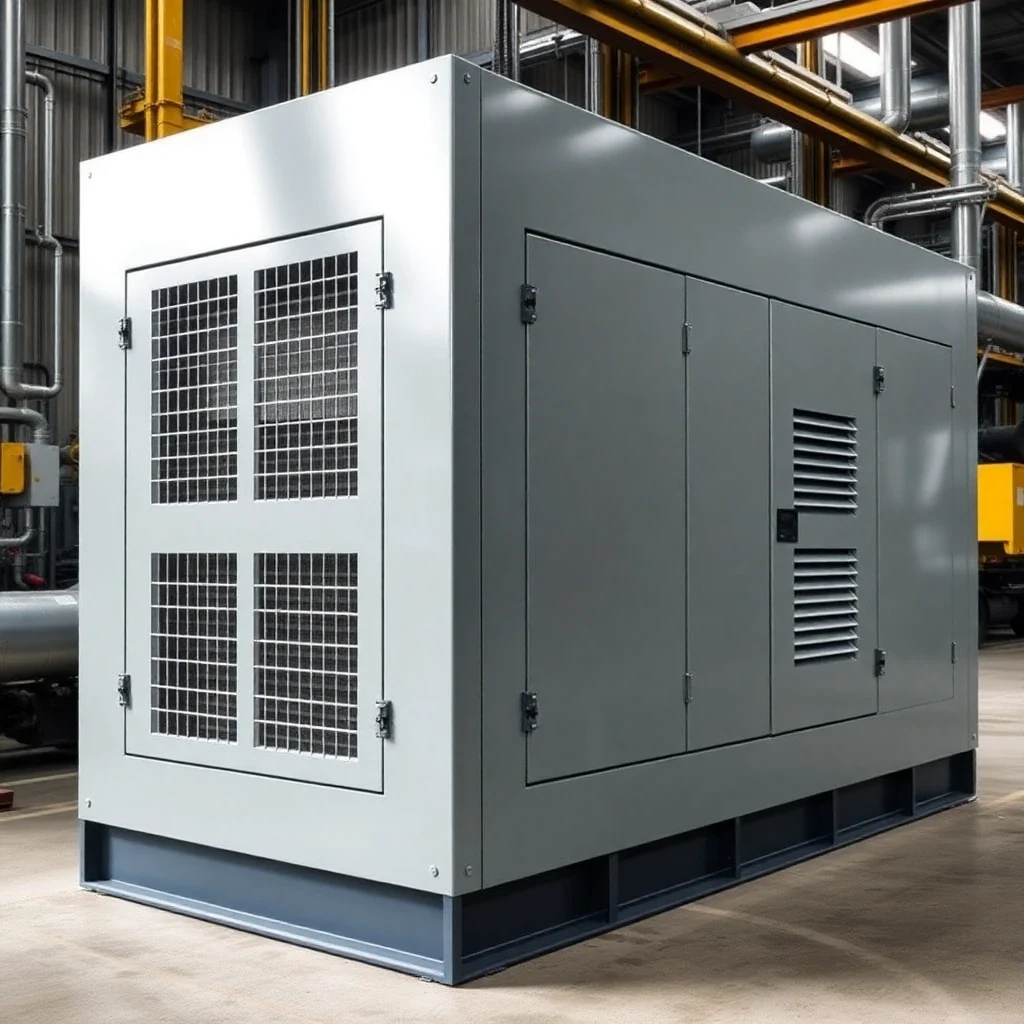
Generator Enclosure, Housing, Canopy, and Soundproof Box Planning
Generator Noise Control
Generator noise-control support for soundproof generator boxes, soundproof generator housings, generator acoustic enclosures, canopies, covers, shelters, outdoor generator enclosures, and generator noise barriers.
Product Gallery
4 photos · click to enlargeTechnical Specifications
Specifications are preliminary. Final parameters, materials, certificates, and acceptance criteria should be confirmed in the signed contract or approved technical proposal.
Applications
- Diesel and gas generator acoustic enclosures
- Outdoor generator enclosures, housings, canopies, covers, and shelters
- Soundproof generator boxes for commercial power equipment
- Generator rooms and plant-room noise-control projects
- Generator noise barrier comparison before enclosure selection
- Industrial utility areas
- Backup power noise-control projects
- Boundary and residential-adjacent generator noise reduction
Overview
Generator noise-control projects use many names for a similar need: generator enclosure, generator housing, generator canopy, generator cover, generator shelter, outdoor generator enclosure, soundproof generator box, and sound-attenuated generator enclosure. The important point is what the finished quotation includes.
A useful generator noise-control RFQ includes more than an outside dimension. Airflow, combustion air, radiator discharge, exhaust routing, service doors, cable and fuel entries, control-panel access, lifting, weather exposure, and the target receiver point all affect the enclosure configuration.
Some projects ask for a generator noise barrier instead of a full enclosure. A barrier can help when noise travels mainly in one direction and airflow/exhaust already remain open, while an enclosure or soundproof generator housing is usually considered when treated openings, weather protection, access doors, and exhaust routing must be planned together.
For quotation support, share the generator model, output, dimensions, radiator direction, exhaust outlet, service-door side, site photos, indoor or outdoor condition, current noise issue, target noise point, and destination country.
Key Features
Common Sourcing Names
Generator enclosure, housing, canopy, cover, shelter, soundproof generator housing, soundproof generator cover, and soundproof generator box requests can use the same project details: model, airflow, exhaust, access, outdoor exposure, and noise target.
Barrier or Enclosure
A generator noise barrier may suit directional noise around an open installation. A full enclosure or housing is usually considered when openings, exhaust, weather exposure, and service doors need to be treated together.
Airflow and Access
Radiator airflow, combustion air, hot-air discharge, service access, and control-panel visibility need to stay visible in the quotation details.
Outdoor Generator Enclosure Planning
Outdoor projects add weather exposure, drainage, corrosion, lifting, base frame, cable and fuel entries, and nearby noise-sensitive areas to the acoustic plan.
What To Include In The Quote
List panels, doors, louvers, silencers, exhaust parts, base frame, finish, drawings, packing, and installation notes so quotations are easier to compare.
Industrial Project Fit
This page is intended for industrial and commercial generator noise-control RFQs where airflow, exhaust, access, outdoor exposure, and acoustic treatment need to be planned together.
Planning Guide
Generator RFQ Checklist
Use these inputs to prepare generator enclosure, housing, canopy, cover, shelter, and soundproof box RFQs with enough detail for acoustic planning.
Generator and site
Send generator model, rated output, dimensions, radiator direction, exhaust outlet, site photos, indoor or outdoor condition, nearby walls, and available clearance.
Airflow and exhaust
Confirm radiator intake and discharge sides, combustion air, hot-air discharge route, exhaust silencer space, outlet direction, and any pressure-drop limitation if known.
Access and included scope
List control-panel side, service doors, cable entry, fuel-line route, lifting method, assembly limits, weather finish, louvers, silencers, drawings, and packing needs.
Noise target
Provide current noise condition if measured, target receiver point, distance, local limit, operating schedule, and whether the generator runs standby, prime, or continuous duty.
Product name used in your documents
Share whether your team calls it a generator enclosure, housing, canopy, soundproof generator cover, soundproof generator housing, soundproof generator box, or generator noise barrier so the quotation can use the same purchasing term.
Related Products
Compare related enclosure options before sending your RFQ.
Related Planning Guides
Use these guides to prepare equipment data and project requirements before quotation.
Common Questions
Common quotation questions for comparing fit, included items, and next steps.
Is a generator canopy the same as a generator acoustic enclosure?
The terms can overlap, but the included parts may be different. A quotation should state whether acoustic panels, louvers, exhaust treatment, service doors, weather protection, lifting points, base frame, finish, drawings, and packing are included.
When is a simple generator cover not enough?
A simple cover is usually not enough when the project also needs acoustic treatment, radiator airflow control, exhaust silencing, service access, outdoor weather protection, lifting points, or base-frame details.
Is a generator noise barrier enough?
A barrier can help when noise mainly travels toward one receiver and the generator can stay open for cooling and exhaust. A generator acoustic enclosure or soundproof generator housing is usually a better fit when the project needs treated openings, exhaust routing, service doors, weather protection, or lifting and base-frame details.
Which details help prepare an outdoor generator enclosure quote?
Useful inputs include generator model, dimensions, radiator direction, exhaust outlet, base condition, weather exposure, site photos, service-door needs, cable and fuel entries, target noise point, and destination country.
How is the noise-control target confirmed?
The target is confirmed around the generator source noise, treated openings, airflow path, exhaust route, nearby reflecting surfaces, installation condition, and receiver position.
Ready to discuss your requirements?
Send equipment drawings, site photos, target noise level, and documentation requirements for quotation support.