Generator Planning Guide
Soundproof Generator Box for Sale: Quotation Checklist
A quotation checklist for generator soundproof box, housing, canopy, cover, barrier, and enclosure inquiries where airflow, exhaust, access, and site conditions decide the design.
Short Answer
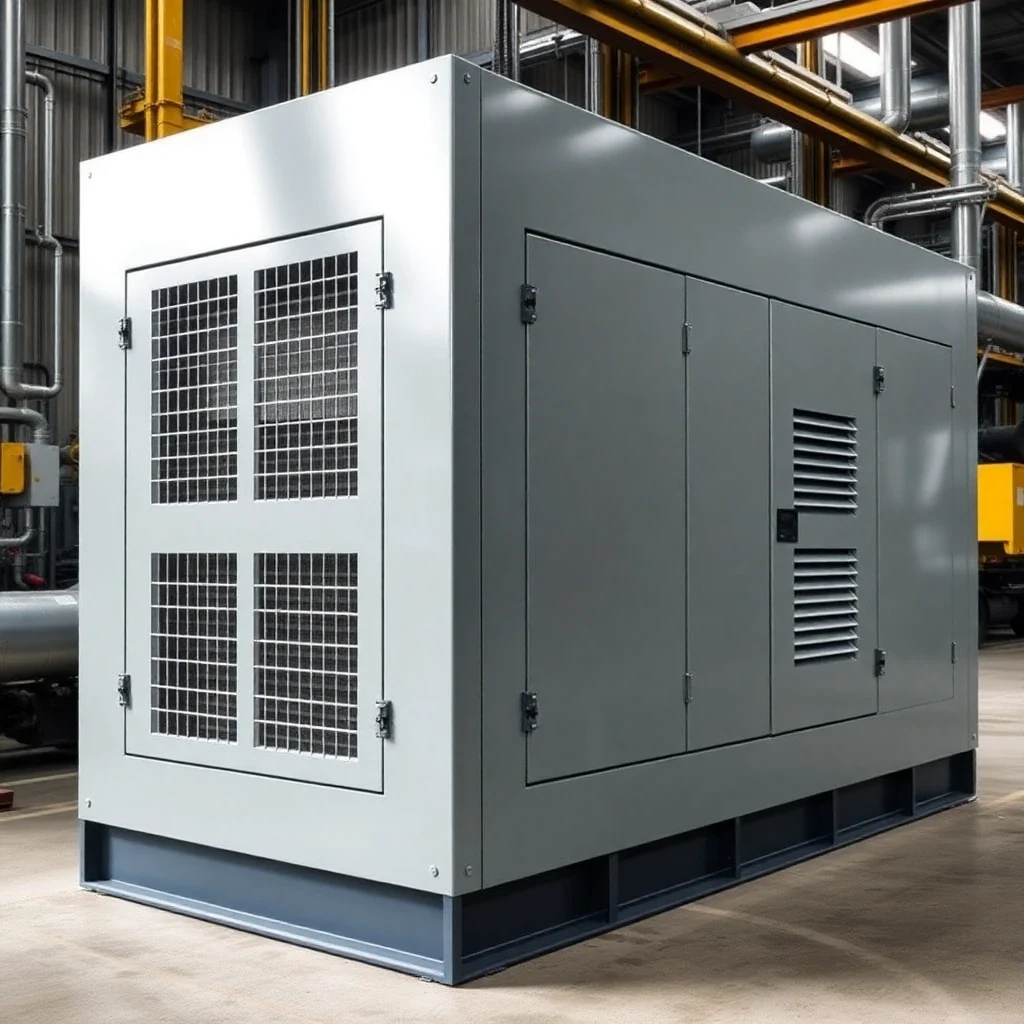
A soundproof generator box should not be selected by size alone. Whether the scope is called a generator box, soundproof generator housing, soundproof generator cover, generator noise barrier, canopy, shelter, or acoustic enclosure, the generator model, radiator airflow, exhaust route, service side, indoor or outdoor installation, and target noise point all affect the design.
Start with the generator model
Generator enclosure planning begins with the model and rated output, but the layout also depends on radiator position, exhaust route, control panel, cable entry, fuel-line path, and maintenance side.
- Generator model, rated output, dimensions, and radiator direction.
- Exhaust outlet position, silencer space, and heat discharge path.
- Control-panel access, service doors, lifting points, and maintenance clearance.
Match the request term to included parts
Generator box, generator housing, soundproof generator housing, generator canopy, soundproof generator cover, generator shelter, generator noise barrier, and soundproof generator enclosure can describe different expectations. Before comparing price, confirm what the quotation includes.
- Use generator acoustic enclosure language when airflow, exhaust, acoustic louvers, silencers, and access doors are part of the quote.
- Use cover or canopy language carefully if the project only needs rain protection or a simple weather hood.
- Use generator noise barrier language when the project mainly needs directional screening around an open generator.
- Ask whether the supplier includes panels, doors, louvers, silencers, base frame, finish, drawings, packing, and installation notes.
Check cooling and ventilation before price
Cooling airflow is a core design condition. A box that reduces noise but blocks radiator airflow is not a useful generator enclosure.
- Identify intake and discharge sides before the enclosure layout is fixed.
- Check acoustic louvers or ventilation silencers when airflow openings are large.
- Confirm whether the generator runs in standby, prime power, or continuous-duty conditions.
Indoor and outdoor installations are different
Outdoor generator boxes may need different base, drainage, corrosion, rain exposure, and access considerations. Indoor projects may need room airflow and exhaust coordination.
What price comparisons often miss
A low-cost generator box quote may omit silencers, doors, weather details, assembly method, shipping scope, or documentation. Compare included items before comparing price.
Selection Points
RFQ Checklist
| 1 | Generator model, rated output, dimensions, radiator airflow direction, and exhaust outlet location. |
| 2 | Indoor or outdoor installation, weather exposure, base condition, clearance, and site photos. |
| 3 | Service-door needs, cable/fuel openings, control-panel side, and lifting or assembly limits. |
| 4 | Target noise level, measurement point, local limit, and operating schedule. |
| 5 | Destination country, quantity, timeline, and documentation requirements. |
Common Project Questions
Is a soundproof generator box the same as a generator acoustic enclosure?
In many project wording the terms overlap. For industrial projects, the safer approach is to review it as a generator acoustic enclosure with airflow, exhaust, access, and site conditions.
Can I buy a standard generator box?
Some projects may use standard sizes, but many generator installations need custom access, ventilation, exhaust, weather, and noise-control review.
Is a generator cover or canopy enough for noise control?
Only in limited situations. If the project needs measurable noise reduction, radiator airflow, exhaust treatment, access doors, and weather exposure should be reviewed as part of an acoustic enclosure or housing quote.
What affects the final noise result?
Source noise, enclosure openings, radiator airflow, exhaust path, site reflections, installation space, and measurement point all affect the final result.
Related Products
Related Solutions
Prepare a clearer acoustic enclosure RFQ
Send drawings, site photos, noise targets, access requirements, and airflow constraints for quotation support.
Send RFQ