Acoustic Engineering
Anechoic Chambers
Free-field acoustic environments for product testing, R&D, EMC/RF measurement, and laboratory qualification projects with site-specific acoustic targets.
Product Matrix
Compare chamber options by test purpose, room field, and qualification target
Choose the chamber type by measurement purpose first, then compare floor condition, shielding or absorber needs, access requirements, and quote inputs.
8
Routes
4
Core cues
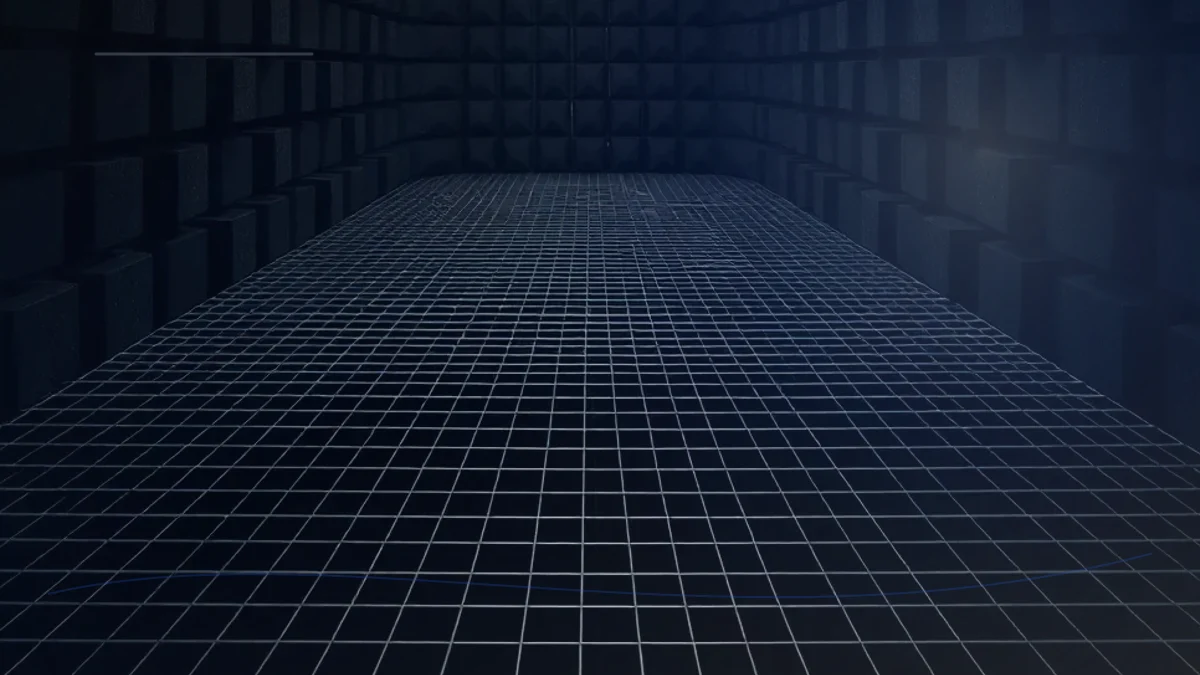
Fully Anechoic Chamber
Complete free-field chamber concept with absorber treatment on walls, ceiling, and floor. Cut-off frequency, room size, and qualification method require project confirmation.
- Best fit
- Free-field tests
- Floor
- Absorber system
- Target
- Cut-off review
- Access
- Door / cable route
Quote inputs
Test purpose, room dimensions, cut-off target, equipment access, qualification method.
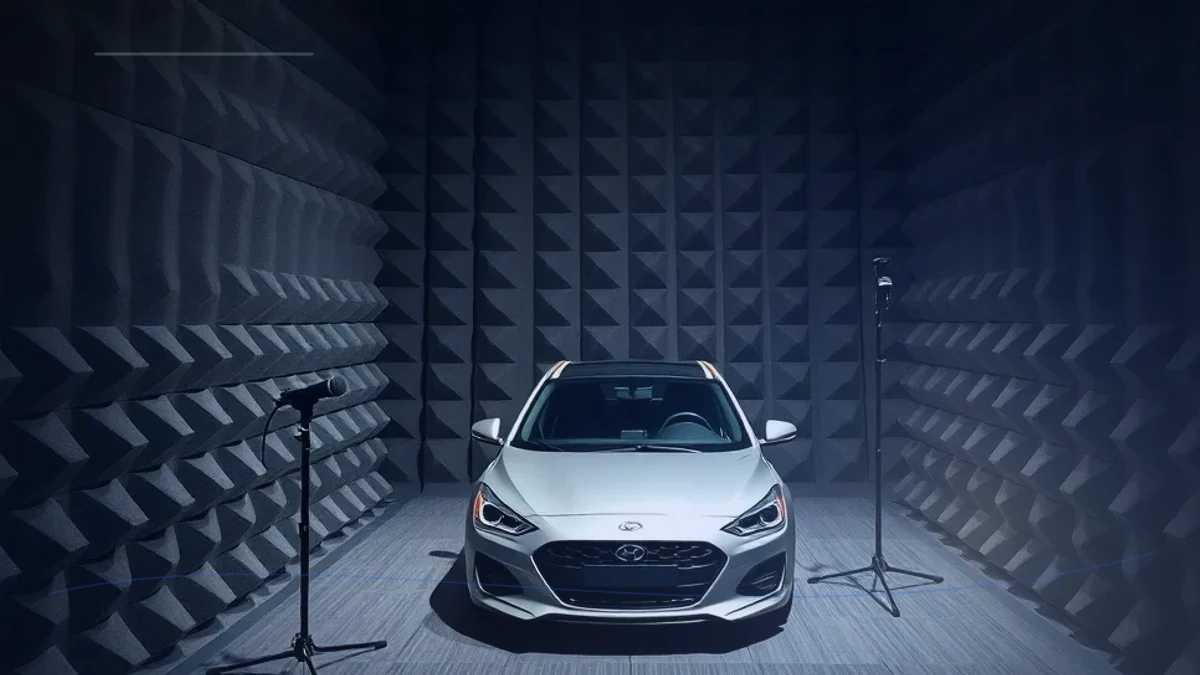
Semi-Anechoic Chamber
Reflective-floor chamber for NVH, product noise, and appliance testing. Room dimensions, absorber depth, and test standard references are confirmed by project.
- Best fit
- NVH / product tests
- Floor
- Reflective
- Target
- Standard review
- Access
- Drive-in options
Quote inputs
Test standard, product size, floor loading, access route, background noise target.
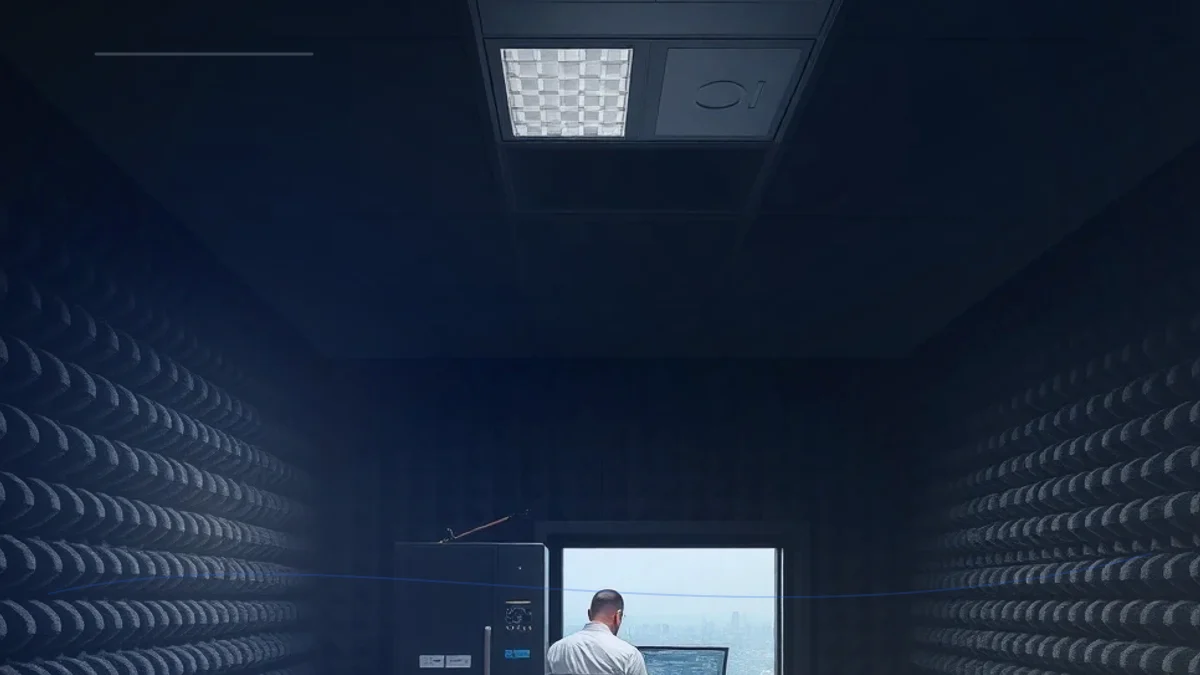
Hemi-Anechoic Chamber
Hemi-anechoic room concept for directional sound source and sound power measurement. Qualification targets depend on test method and room geometry.
- Best fit
- Sound power
- Floor
- Reflective plane
- Target
- Geometry review
- Access
- Fixture route
Quote inputs
Source size, microphone layout, test method, room geometry, fixture access.
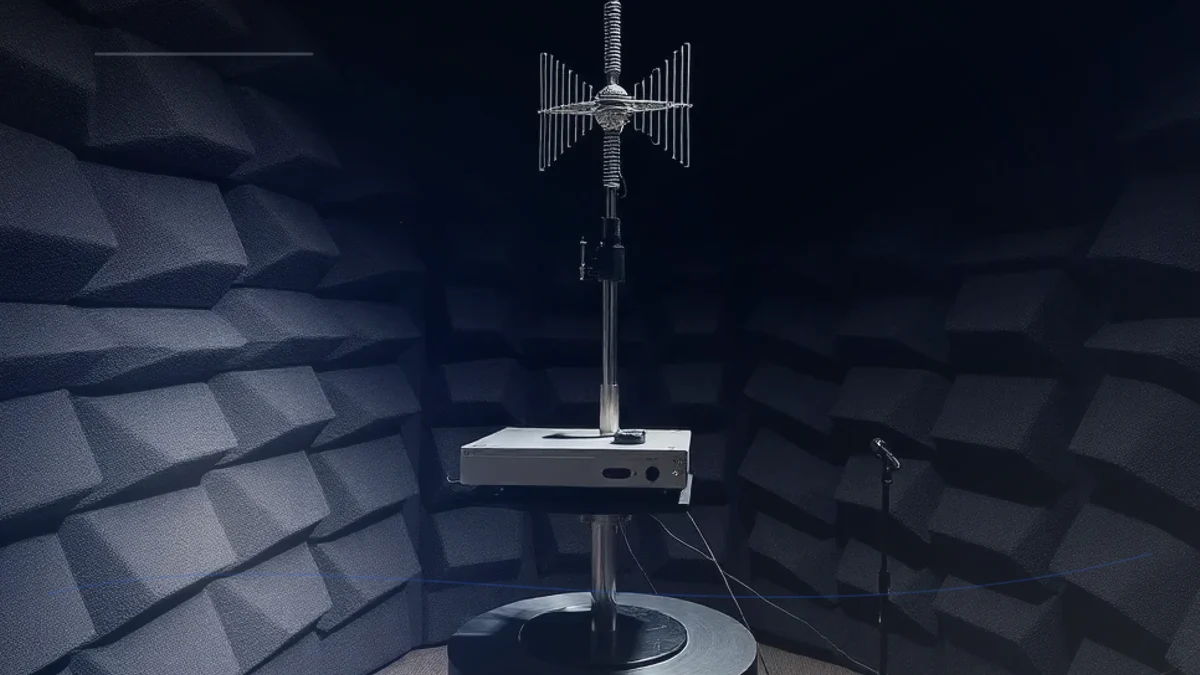
EMC Anechoic Chamber
RF/EMC chamber concept for radiated emissions, immunity, antenna, and wireless-device testing. Shielding, absorber, and standard targets need supplier confirmation.
- Best fit
- EMC tests
- Shielding
- Target review
- Target
- Standard-based
- Access
- RF feedthroughs
Quote inputs
EMC standard, frequency range, shielding target, DUT size, feedthrough needs.
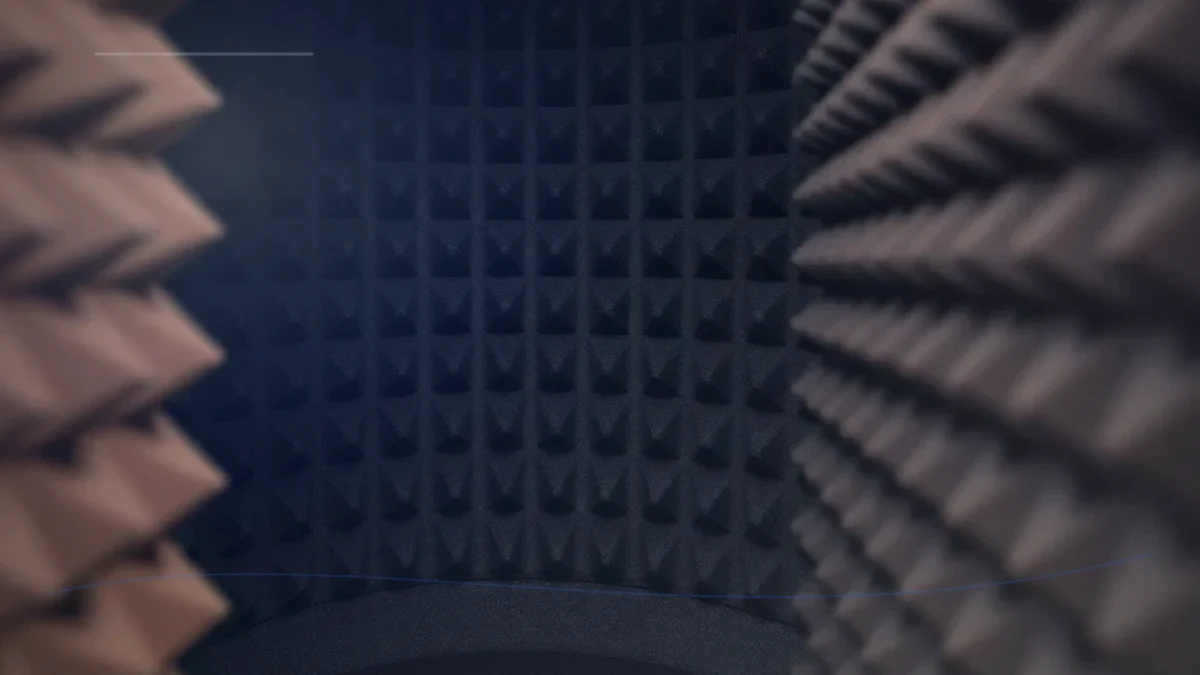
Compact Anechoic Chamber
Modular benchtop or small-room anechoic enclosure concept for microphone calibration, small transducer testing, and lab R&D.
- Best fit
- Lab R&D
- Layout
- Benchtop / walk-in
- Target
- Small DUT tests
- Access
- Cable ports
Quote inputs
DUT size, bench or walk-in need, frequency target, cable openings, lab layout.
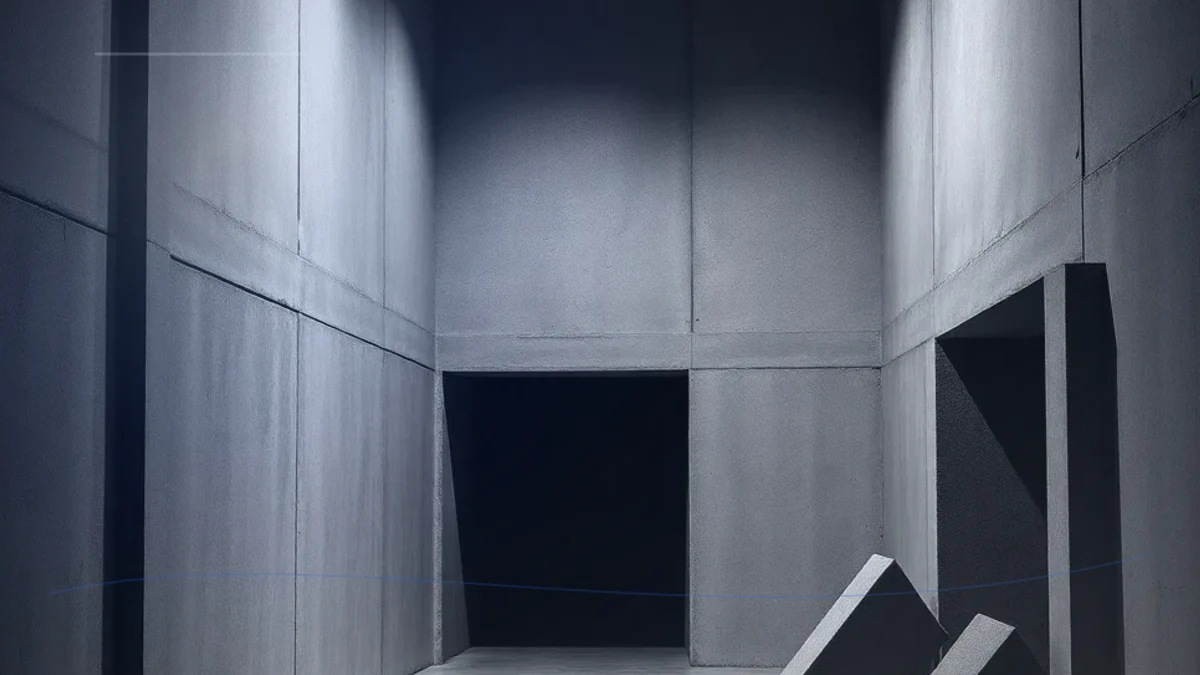
Reverberation Room
Diffuse-field room concept for sound power, material absorption, and transmission-loss testing. Reverberation targets and standards are confirmed by test purpose.
- Best fit
- Diffuse-field tests
- Room
- Hard surface
- Target
- RT review
- Access
- Sample handling
Quote inputs
Test purpose, room volume, RT target, sample size, access and handling method.
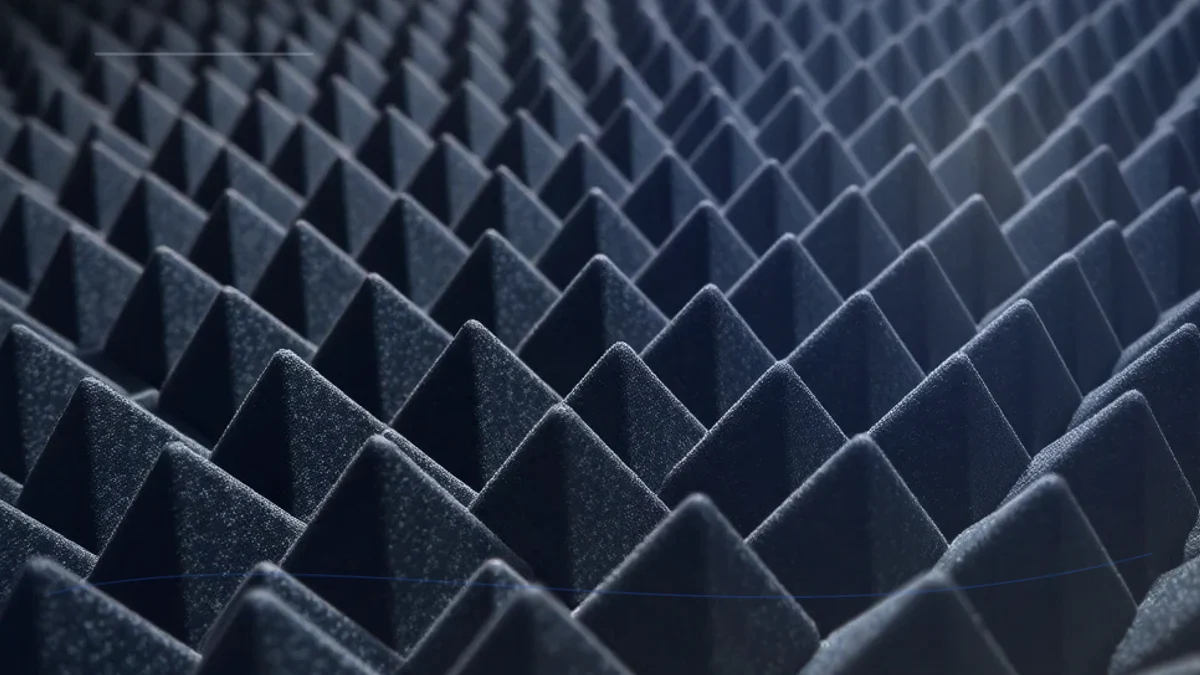
RF Anechoic Chamber
Radio-frequency anechoic chamber concept for antenna measurement, radiated emissions, and wireless-device testing. Shielding and absorber targets vary by project.
- Best fit
- Antenna tests
- Shielding
- Project target
- Target
- Frequency range
- Access
- RF ports
Quote inputs
Frequency range, antenna distance, shielding target, turntable or fixture needs.
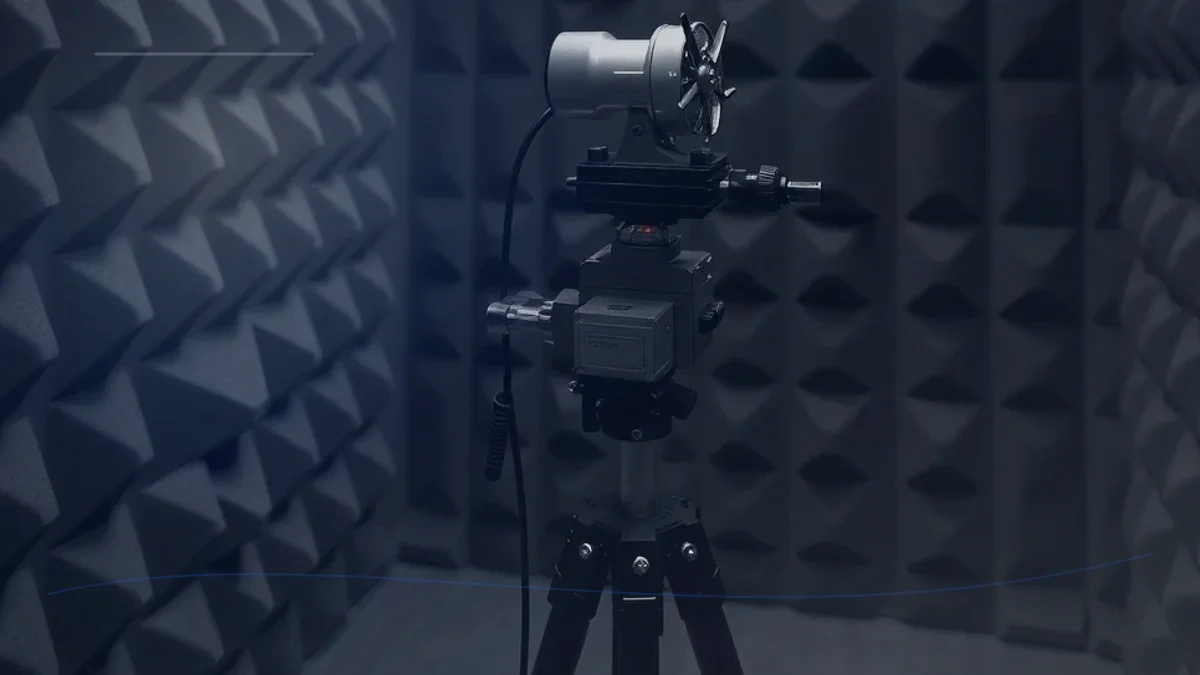
Anechoic Test Chamber
Purpose-built acoustic test chamber for product noise characterization and sound power measurement. Background-noise target and qualification scope require review.
- Best fit
- Product noise
- Room
- Modular build
- Target
- Low background
- Access
- Fixture / conveyor
Quote inputs
Product size, test method, background noise target, automation and fixture needs.
Selection Guide
How to choose an anechoic chamber for your test
The chamber type follows the measurement method, room field, DUT size, access route, and qualification plan. Start with those inputs before comparing a fully anechoic chamber, a semi-anechoic chamber, or an RF/EMC chamber.
Fully anechoic chamber
Use a free-field room approach when the test setup needs absorber treatment across the room surfaces and a clear qualification approach.
Semi-anechoic chamber
Use a reflective-floor approach when the floor condition is part of the test method, product handling, or equipment installation plan.
RF and EMC chamber
Use an RF/EMC approach when the project starts with radiated testing, antenna work, shielding needs, or feedthrough requirements.
What is the difference between a fully and semi-anechoic chamber?
A fully anechoic chamber uses absorber treatment on the walls, ceiling, and floor for free-field work. A semi-anechoic chamber retains a reflective floor, which can suit product, vehicle, and equipment testing when the test method needs that floor condition.
How do I choose an anechoic chamber for a measurement project?
Start with the test method, device size, required room field, frequency or background-noise target, equipment access, and qualification approach. Those inputs determine whether a fully anechoic, semi-anechoic, RF/EMC, or other chamber option is appropriate.
What affects an anechoic chamber price?
A project quotation depends on room size, test purpose, absorber or shielding scope, access openings, equipment handling, utilities, installation conditions, and qualification requirements. Share those inputs for a review instead of relying on a generic catalog price.
Need a custom anechoic chamber?
Send the test purpose, room layout, target background noise, equipment access, and reference standards for review.