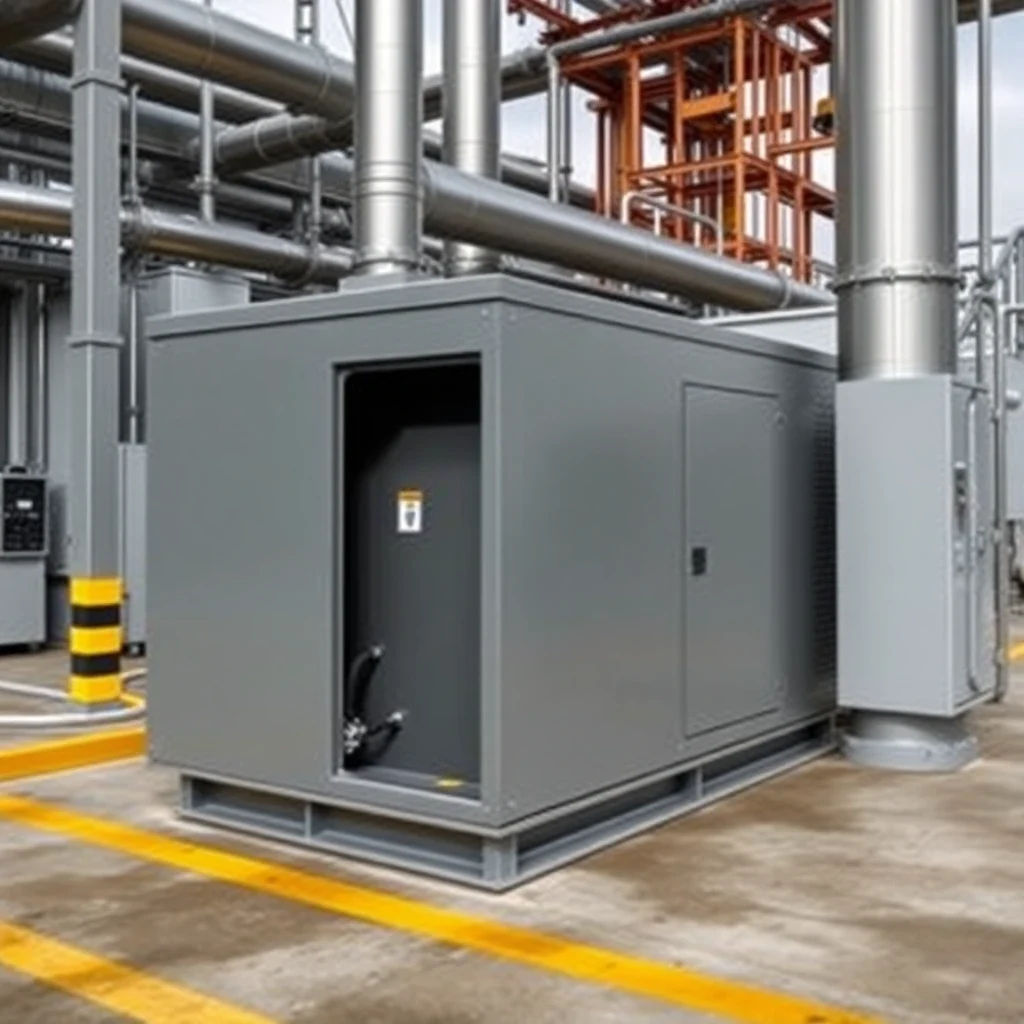
Generator Selection
Generator Acoustic Enclosure Selection Guide
A procurement guide for comparing generator acoustic enclosures, soundproof generator housings, and outdoor generator enclosure options.
Short Answer
A generator acoustic enclosure should be selected around airflow, exhaust, service access, outdoor exposure, and target receiver position, not only around generator size or a catalog box dimension.
Selection starts with the generator layout
The enclosure must fit the generator body, radiator face, control panel, exhaust outlet, lifting points, cable entry, fuel-line path, and service sides. These items decide the practical enclosure layout before pricing.
- Share the generator model, rated output, dimensions, radiator direction, and exhaust position.
- Mark the control-panel side, service doors, cable and fuel-line routes, and lifting restrictions.
- Confirm whether the generator is indoor, outdoor, rooftop, containerized, or installed near a noise-sensitive area.
Airflow and exhaust are not optional details
Generator acoustic projects fail when noise control is separated from cooling airflow and exhaust routing. Intake, discharge, combustion air, exhaust silencer space, and recirculation risk should be checked before the quote is locked.
Clarify request terms before comparing quotes
Generator housing, generator canopy, generator cover, soundproof generator housing, soundproof generator cover, generator shelter, soundproof generator box, generator noise barrier, and generator acoustic enclosure can point to the same noise-control need or to different included items. Ask each supplier to state what the term includes before comparing price.
Compare included items
Two generator enclosure quotes can look similar while including different items. Ask whether the quote includes louvers, silencers, doors, base frame, weather finish, exhaust parts, drawings, packing, and installation notes.
Keep the noise target tied to a receiver point
Instead of requesting a generic reduction number, state the current noise issue, target receiver point, distance, operating duty, and any local site limit that the project must support.
Selection Points
RFQ Checklist
| 1 | Generator model, rated output, dimensions, radiator airflow direction, and exhaust outlet position. |
| 2 | Indoor/outdoor condition, nearby walls or boundaries, base condition, site photos, and available clearance. |
| 3 | Required service doors, cable entry, fuel-line route, lifting method, and control-panel access. |
| 4 | Current noise condition, target receiver point, local limit, operating schedule, and destination country. |
| 5 | Included items: louvers, silencers, doors, base frame, finish, drawings, packing, and installation support. |
Common Project Questions
What is the difference between a generator acoustic enclosure and a soundproof generator box?
Project wording often use both terms. For industrial projects, generator acoustic enclosure is usually the clearer RFQ term because it covers airflow, exhaust, service access, and target noise details.
Can one enclosure design fit every generator model?
No. Radiator direction, exhaust outlet, control-panel side, service clearance, and outdoor exposure can change the enclosure layout.
What should be checked before ordering an outdoor generator enclosure?
Check weather exposure, drainage, corrosion protection, base frame, lifting access, cable and fuel entries, airflow, exhaust routing, and service-door clearance.
Should generator housing, canopy, cover, and shelter be quoted separately?
Not from the first inquiry alone. First confirm the generator model, airflow, exhaust, access, weather exposure, acoustic target, and included parts; then the supplier can name the final scope clearly.
Related Products
Related Solutions
Prepare a clearer acoustic enclosure RFQ
Send drawings, site photos, noise targets, access requirements, and airflow constraints for quotation support.
Send RFQ