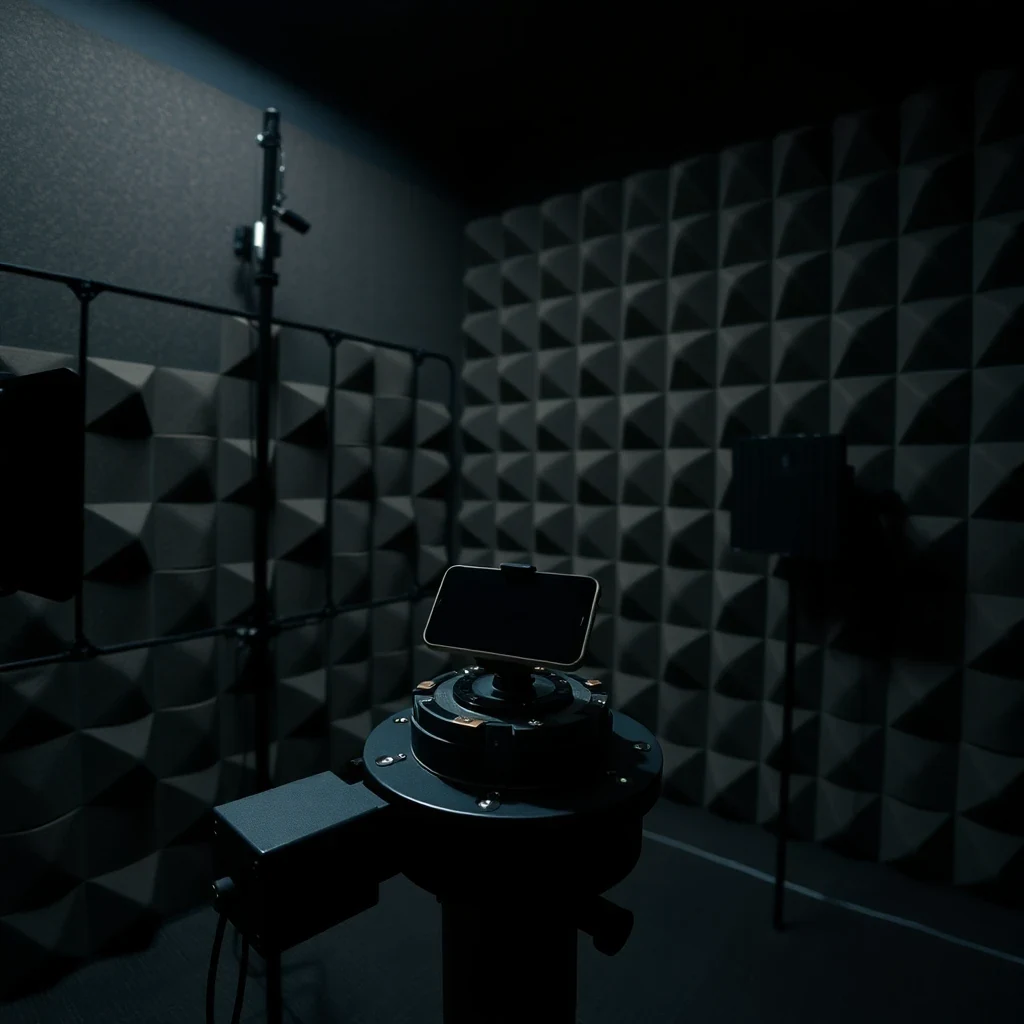
RF Absorber Guide
RF Anechoic Chamber Absorber and Frequency Guide
A planning guide for RF anechoic chamber projects where absorber choice, frequency range, quiet zone, test distance, shielding, and penetrations must be specified.
Short Answer
RF anechoic chamber absorber planning starts with frequency range, device size, antenna distance, quiet zone or test zone, chamber size, shielding need, and acceptance method.
Frequency range drives chamber design
RF chamber absorber, chamber size, test distance, antenna arrangement, and quiet zone expectations depend on the frequency range and measurement purpose.
- State whether the project is antenna, wireless, OTA, radar, EMC-related, or general RF testing.
- Define the device size, antenna distance, quiet zone, and instrumentation layout.
- Confirm whether shielding is required in addition to absorber treatment.
Absorber selection is not only appearance
Pyramidal absorber, hybrid absorber, ferrite, floor treatment, and walkable areas can be reviewed differently by frequency range, power level, access, and safety requirements.
Penetrations and support systems
Cable feeds, power, fiber, ventilation, lighting, fire-safety, turntables, antenna masts, control rooms, and camera or monitoring systems should be listed before layout design.
Acceptance and documentation
Ask for the target performance description, test zone definition, acceptance method, drawings, absorber documentation, and responsibility for validation measurements.
Selection Points
RFQ Checklist
| 1 | Test type, frequency range, device size, antenna distance, quiet zone, and measurement setup. |
| 2 | Chamber size, absorber type preference if known, floor treatment, access, and safety requirements. |
| 3 | Shielding need, doors, filters, cable penetrations, ventilation, lighting, and fire-safety coordination. |
| 4 | Turntable, mast, racks, control room, monitoring, and instrumentation interfaces. |
| 5 | Acceptance method, documentation, installation country, building limits, and timeline. |
Common Project Questions
Is an RF anechoic chamber the same as an acoustic anechoic chamber?
No. RF chambers use electromagnetic absorber and RF design logic, while acoustic chambers use sound absorption and acoustic measurement requirements.
What determines RF absorber selection?
Frequency range, test purpose, chamber size, quiet zone, power handling, floor access, and safety needs affect absorber selection.
Does every RF anechoic chamber need shielding?
Not every project, but many RF and EMC projects require shielding. The RFQ should state whether electromagnetic isolation is required.
Related Products
Related Solutions
Prepare a clearer acoustic enclosure RFQ
Send drawings, site photos, noise targets, access requirements, and airflow constraints for quotation support.
Send RFQ