Chamber Standards
Anechoic Chamber Standards Guide for Acoustic Testing
A standards-aware planning guide for acoustic test rooms, anechoic chambers, hemi-anechoic rooms, working volume, background noise, and qualification evidence.
Short Answer
Anechoic chamber standards should be used to define the test purpose, free-field or hemi-free-field condition, working volume, background noise target, and acceptance evidence before the chamber is quoted.
Start from the measurement task
The chamber should be planned around the product or source being tested, the measurement method, source size, microphone positions, floor requirement, and whether the chamber must support sound power or other acoustic tests.
- List the target standard or internal procedure before discussing room size.
- Define the working volume, source position, and receiver positions.
- Confirm whether a hard floor, grid floor, turntable, fixture, or heavy equipment support is needed.
Free-field qualification is evidence-based
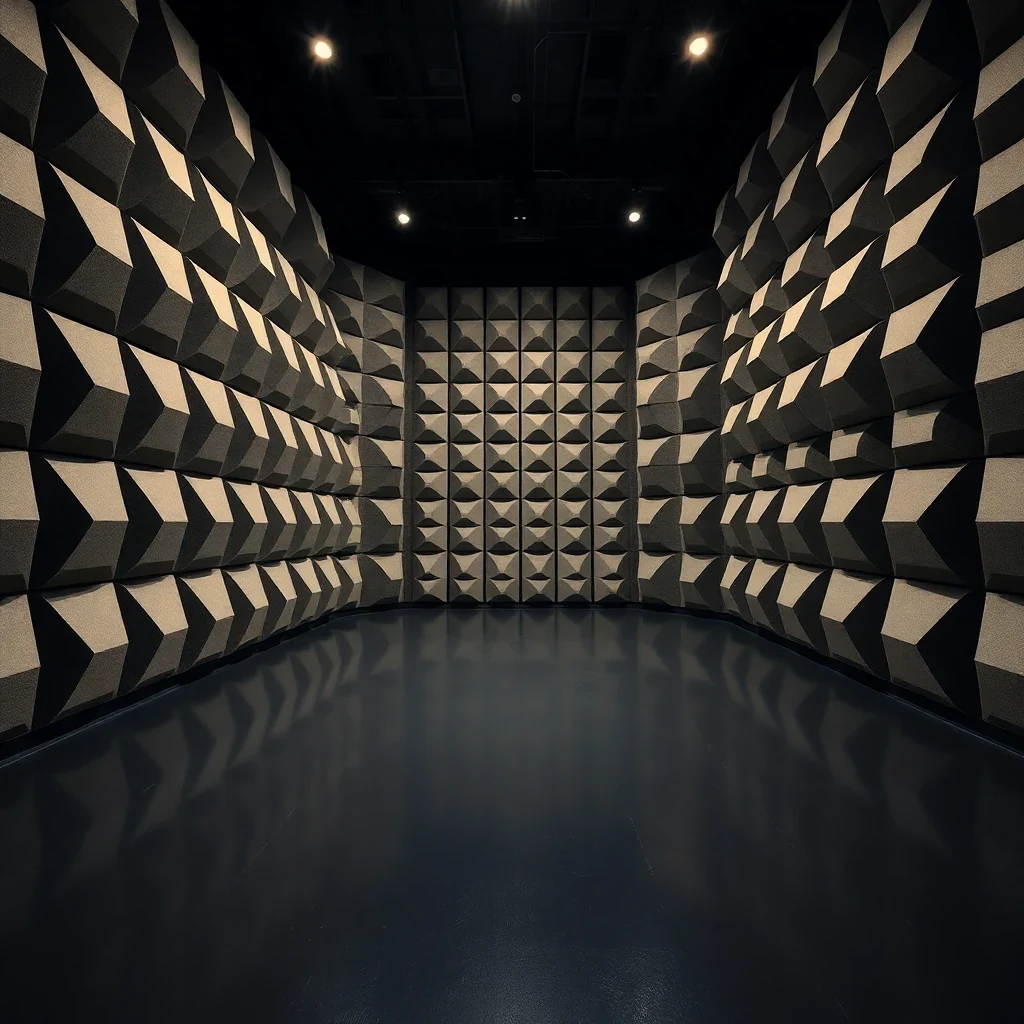
Free-field or hemi-free-field language should be tied to a qualification method and acceptance record. Chamber photos alone do not prove the acoustic condition.
Background noise and cut-off expectations
Background noise target, low-frequency performance, absorber layout, room size, HVAC noise, doors, penetrations, and building isolation should be discussed together.
Documentation for acceptance
Ask for drawings, absorber description, working volume, background noise target, qualification method, report responsibility, and any site preparation requirements before order.
Selection Points
RFQ Checklist
| 1 | Test object, source size, weight, operating mode, target standard, and measurement method. |
| 2 | Room size, working volume, floor condition, door size, fixtures, and source/receiver positions. |
| 3 | Background noise target, frequency range, cut-off expectation, absorber requirement, and HVAC condition. |
| 4 | Cable, duct, exhaust, power, lighting, safety, and ventilation penetrations. |
| 5 | Acceptance method, qualification report, installation country, building constraints, and timeline. |
Common Project Questions
Is a semi-anechoic chamber the same as a hemi-anechoic room?
The terms can overlap in project wording. The important point is whether the measurement method expects a reflective floor and defined free-field conditions above it.
Can an anechoic chamber be described as ISO compliant before testing?
It should be described as designed for a target method until qualification or acceptance evidence is available.
What data should I send for an anechoic chamber quote?
Send the test purpose, standard, source size, working volume, background noise target, floor requirement, access needs, and documentation requirements.
Related Products
Related Solutions
Prepare a clearer acoustic enclosure RFQ
Send drawings, site photos, noise targets, access requirements, and airflow constraints for quotation support.
Send RFQ