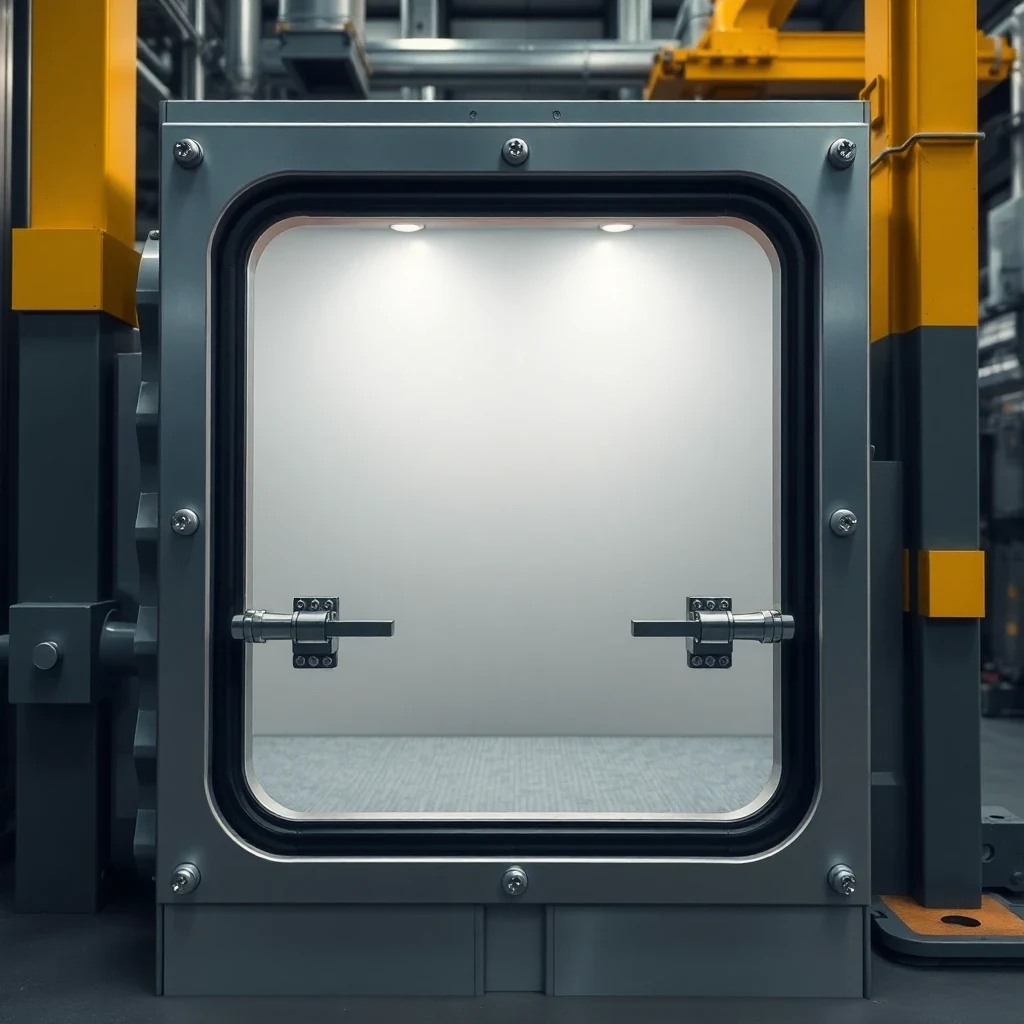
Panel Construction
Acoustic Panel Construction Guide for Enclosures
A materials-focused RFQ guide for comparing acoustic enclosure panels, lining protection, finish options, doors, seals, and maintenance exposure.
Short Answer
Acoustic panel construction should be reviewed around the noise source, indoor or outdoor exposure, cleaning needs, corrosion risk, lining protection, seals, doors, and required material documents.
What to ask about panel build-up
A useful material discussion should state the outer skin, inner face, absorptive lining, lining protection, seals, frame, hardware, finish, and whether the panel is intended for indoor or outdoor service.
- Ask whether absorptive lining is protected by perforated sheet, mesh, or another inner facing.
- Confirm whether doors and removable panels use similar seals and construction logic.
- Request drawings or material sheets when procurement needs formal submittals.
Absorptive material placement
Absorptive materials help control sound inside the enclosure, but their placement and protection should account for airflow, dust, oil mist, water, heat, cleaning, and service access.
Finish and environment
Paint, powder coating, galvanized steel, stainless steel, or other supplier options should be matched to the project environment. Outdoor, humid, dusty, oily, or washdown sites need clearer material review.
Do not compare panels alone
Panel construction matters, but real enclosure performance also depends on doors, windows, louvers, silencers, penetrations, joints, base details, and installation quality.
Selection Points
RFQ Checklist
| 1 | Indoor or outdoor condition, humidity, dust, oil mist, cleaning, weather, corrosion, and temperature exposure. |
| 2 | Requested panel build-up, lining protection, finish, seals, hardware, and door construction. |
| 3 | Equipment heat load, airflow, exhaust, ducting, and maintenance access. |
| 4 | Documentation needs: material sheets, drawings, finish notes, inspection records, or test reports. |
| 5 | Packing, shipping, installation method, destination country, and site-handling constraints. |
Common Project Questions
Is mineral wool always used inside acoustic enclosure panels?
Many industrial acoustic products use absorptive infill, but the exact material should come from supplier documents and project requirements.
Does perforated metal improve the panel?
Perforated inner facing can protect absorptive lining while allowing sound to reach it, but the final design depends on the application.
Can panel material alone guarantee a reduction value?
No. Doors, seals, openings, airflow paths, installation, and measurement position also affect the final result.
Related Products
Related Solutions
Prepare a clearer acoustic enclosure RFQ
Send drawings, site photos, noise targets, access requirements, and airflow constraints for quotation support.
Send RFQ