Openings & Accessories
Acoustic Louvers, Doors, Silencers, and Openings in Enclosure RFQs
A practical guide to the enclosure details that often decide usability, leakage risk, maintenance access, and quotation completeness.
Short Answer
Acoustic doors, louvers, silencers, windows, removable panels, and penetrations should be listed in the RFQ because they affect both acoustic performance and daily operation.
Openings are part of the acoustic design
An enclosure is only as useful as its openings are controlled. Doors, louvers, ducts, windows, cables, pipes, conveyors, and exhaust paths can all create leakage if they are not planned.
- Door location should follow operation and maintenance needs.
- Louvers and silencers should match airflow and pressure constraints.
- Cable, pipe, and duct entries should be positioned and sealed as part of the layout.
Acoustic doors and removable panels
Frequent access usually needs doors. Occasional maintenance may use removable panels. The RFQ should show which sides need daily operation, inspection, lifting, and replacement access.
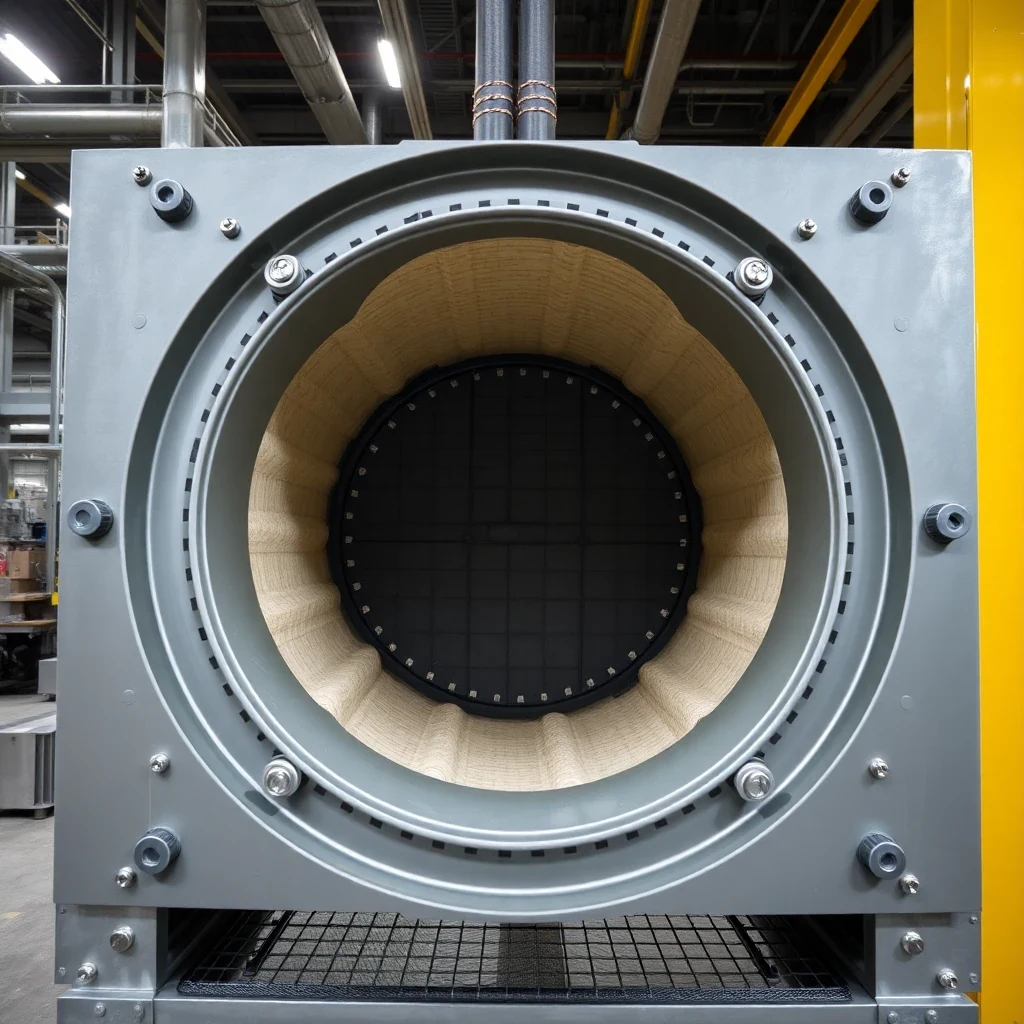
Louvers and duct silencers
Airflow openings should be treated according to the equipment need. Acoustic louvers may fit wall openings, while duct silencers or lined plenums may fit ducted intake or discharge routes.
Windows and observation needs
Observation windows can support operator visibility, but they should be sized and located around the actual workflow instead of added only for appearance.
Selection Points
RFQ Checklist
| 1 | Number, size, and location of doors, access panels, removable panels, and observation windows. |
| 2 | Air intake, discharge, exhaust, duct, radiator, cooling, or process-air openings. |
| 3 | Cable, pipe, hose, conveyor, duct, and drain penetrations. |
| 4 | Service side, operation side, lifting route, and internal clearance requirement. |
| 5 | Included items for louvers, silencers, seals, hardware, finish, drawings, and packing. |
Common Project Questions
Do acoustic doors reduce noise as much as solid panels?
Doors can be designed for acoustic use, but the final result depends on door construction, seals, size, hardware, and installation.
Are acoustic louvers the same as normal ventilation grilles?
No. Acoustic louvers are used when an opening must pass air while adding sound-control treatment. They still need project sizing.
Why should cable and pipe penetrations be listed?
Penetrations are small compared with doors, but they can become leakage paths if they are not positioned and treated in the layout.
Related Products
Related Solutions
Prepare a clearer acoustic enclosure RFQ
Send drawings, site photos, noise targets, access requirements, and airflow constraints for quotation support.
Send RFQ