Comparison Guide
Acoustic Enclosure vs Soundproof Room: Which Fits Your Project?
A project comparison for deciding whether to control noise at the machine with an acoustic enclosure or build a larger soundproof room or chamber.
Short Answer
Choose an acoustic enclosure when the noisy source has a clear equipment boundary and needs source-level treatment. Choose a soundproof room or chamber when people, test activity, multiple sources, or a larger controlled space must be inside the quiet area.
When to choose an acoustic enclosure
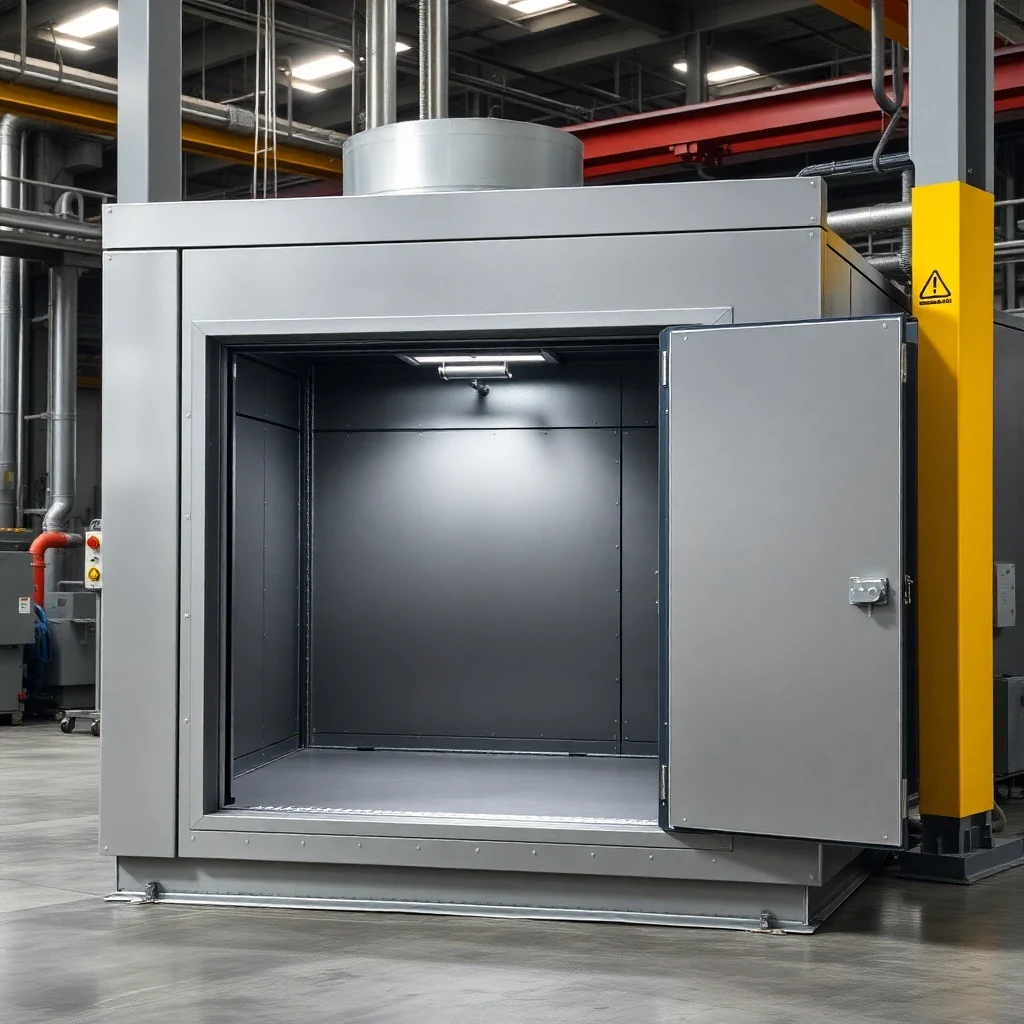
An acoustic enclosure is usually the better starting point when the noise source is a specific machine, generator, compressor, fan, pump, skid, or process module. It keeps the solution closer to the source and can preserve the surrounding workflow.
- The machine footprint and service side are clear.
- Operators need controlled doors, panels, windows, pipe entries, or cable entries.
- Cooling airflow, heat, exhaust, or process air can be routed through treated openings.
When to choose a soundproof room
A soundproof room or chamber may fit better when the project needs people, testing activity, multiple machines, or a larger controlled environment inside the acoustic space. The tradeoff is usually more space planning and room-level ventilation review.
- The controlled area includes people, benches, instruments, or test setups.
- Multiple sources need to be isolated together.
- Room doors, HVAC, lighting, fire-safety, and interior workflow are part of the scope.
Cost drivers to compare
The right comparison is not only enclosure price versus room price. Access doors, removable panels, structural support, ventilation silencers, openings, installation space, shipping format, and documentation can change the real project cost.
How this affects the RFQ
If the noisy source is one machine, start from the industrial acoustic enclosure page. If the project needs a room-sized controlled space, start from soundproof chamber or acoustic test room pages and describe the internal activity.
Selection Points
RFQ Checklist
| 1 | Noise source list, machine footprint, room size, and what must be inside or outside the acoustic boundary. |
| 2 | Current noise condition, target receiver point, operating schedule, and any local site limit. |
| 3 | Access doors, windows, removable panels, lighting, HVAC, pipe, cable, duct, or exhaust openings. |
| 4 | Cooling airflow, heat load, process air, and service or maintenance workflow. |
| 5 | Installation space, lifting route, destination country, timeline, and documentation requirements. |
Common Project Questions
Is an acoustic enclosure cheaper than a soundproof room?
Often it can be more focused because it treats the source, but cost depends on access, airflow, openings, structure, installation space, and documentation scope.
Can one acoustic enclosure cover multiple machines?
Yes, if the machines share a workable footprint and the access, airflow, and maintenance needs can be handled together. Otherwise a room-level solution may be easier.
Does a soundproof chamber mean the same thing as a soundproof room?
The terms can overlap in project wording. A chamber often implies a more controlled test or isolation environment, while a room may describe a larger occupied or equipment space.
Related Products
Related Solutions
Prepare a clearer acoustic enclosure RFQ
Send drawings, site photos, noise targets, access requirements, and airflow constraints for quotation support.
Send RFQ