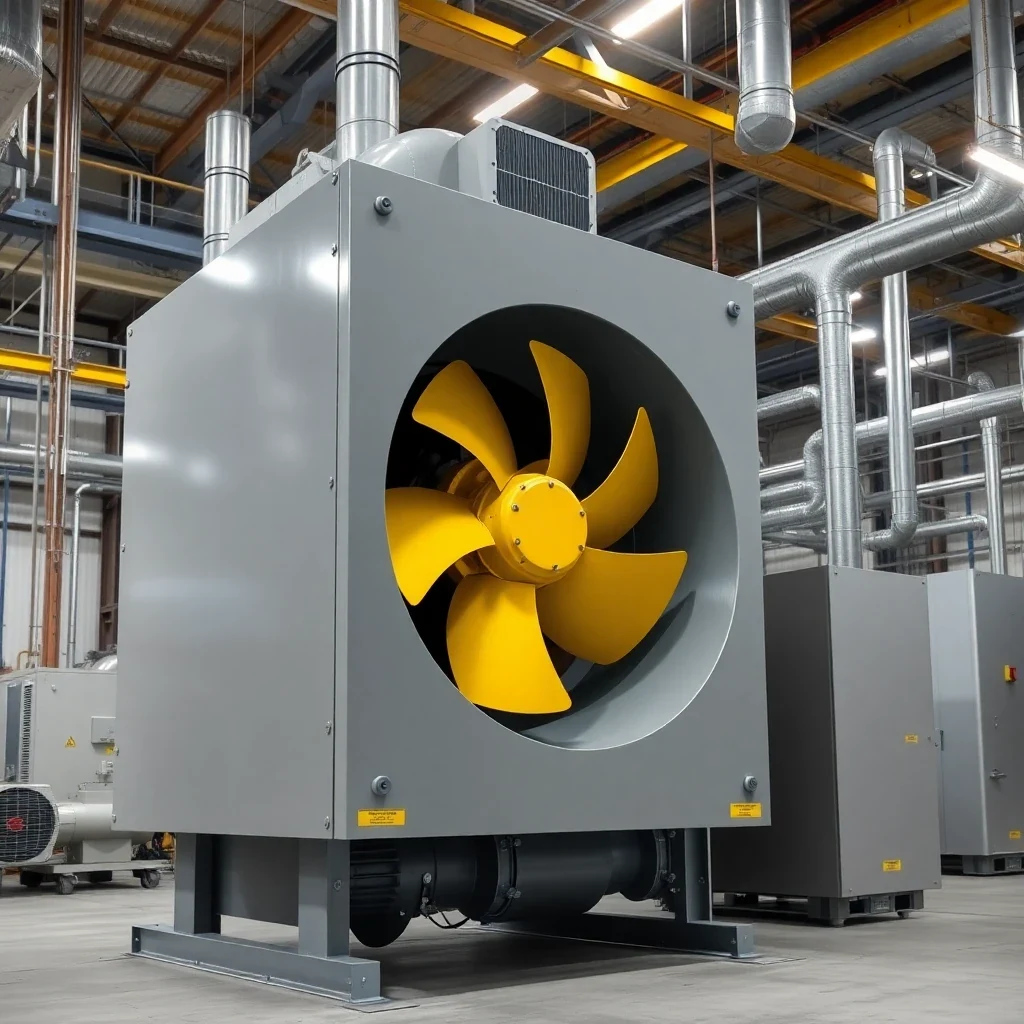
dB Guide
Acoustic Enclosure Noise Reduction dB Guide
A planning guide for interpreting acoustic enclosure dB values and avoiding misleading comparisons between suppliers, machines, and test conditions.
Short Answer
A dB value should travel with its context: what was measured, where it was measured, the operating load, whether dB(A) weighting was used, and which openings or ventilation paths were active.
dB values are not interchangeable
Different pages and proposals may use dB reduction, dB(A) at a distance, insertion loss, or target noise level. These are not the same claim. Ask what the number represents before comparing suppliers.
- dB(A) usually indicates A-weighted sound pressure level.
- Insertion loss compares a condition before and after treatment under defined measurement conditions.
- A target level at a receiver point is different from a panel or enclosure construction value.
Distance and receiver position change the number
A generator enclosure value at one distance, a machine-side value at an operator point, and a boundary value near a property line can all be legitimate but not comparable without context.
Openings often decide real performance
Doors, louvers, exhaust, ducts, cable entries, pipe entries, conveyors, and service panels can reduce the effective result if they are not treated and included in the performance discussion.
How to ask for a useful target
State the current level if available, the target receiver point, the operating mode, the measurement distance, and any site limit. If no measured data exists, send photos and describe the complaint or requirement.
Selection Points
RFQ Checklist
| 1 | Current measured level, if available, with distance and operating condition. |
| 2 | Target level, receiver point, local limit, and operating schedule. |
| 3 | Source type, equipment model, load condition, and surrounding surfaces. |
| 4 | Openings, airflow paths, doors, louvers, silencers, exhaust, ducts, cables, and pipes. |
| 5 | Required measurement method, report format, and acceptance responsibility. |
Common Project Questions
What dB reduction can an acoustic enclosure achieve?
It depends on the source, enclosure construction, openings, airflow, site reflections, and measurement position. A scope-based discussion is safer than a generic value.
Is dB(A) the same as dB reduction?
No. dB(A) is a weighted sound pressure level, while reduction usually compares conditions before and after treatment.
Why do generator enclosure pages list sound level at a distance?
Generator suppliers often state sound pressure level at a defined distance and load. The distance and load must be included for the number to be meaningful.
Related Products
Related Solutions
Prepare a clearer acoustic enclosure RFQ
Send drawings, site photos, noise targets, access requirements, and airflow constraints for quotation support.
Send RFQ