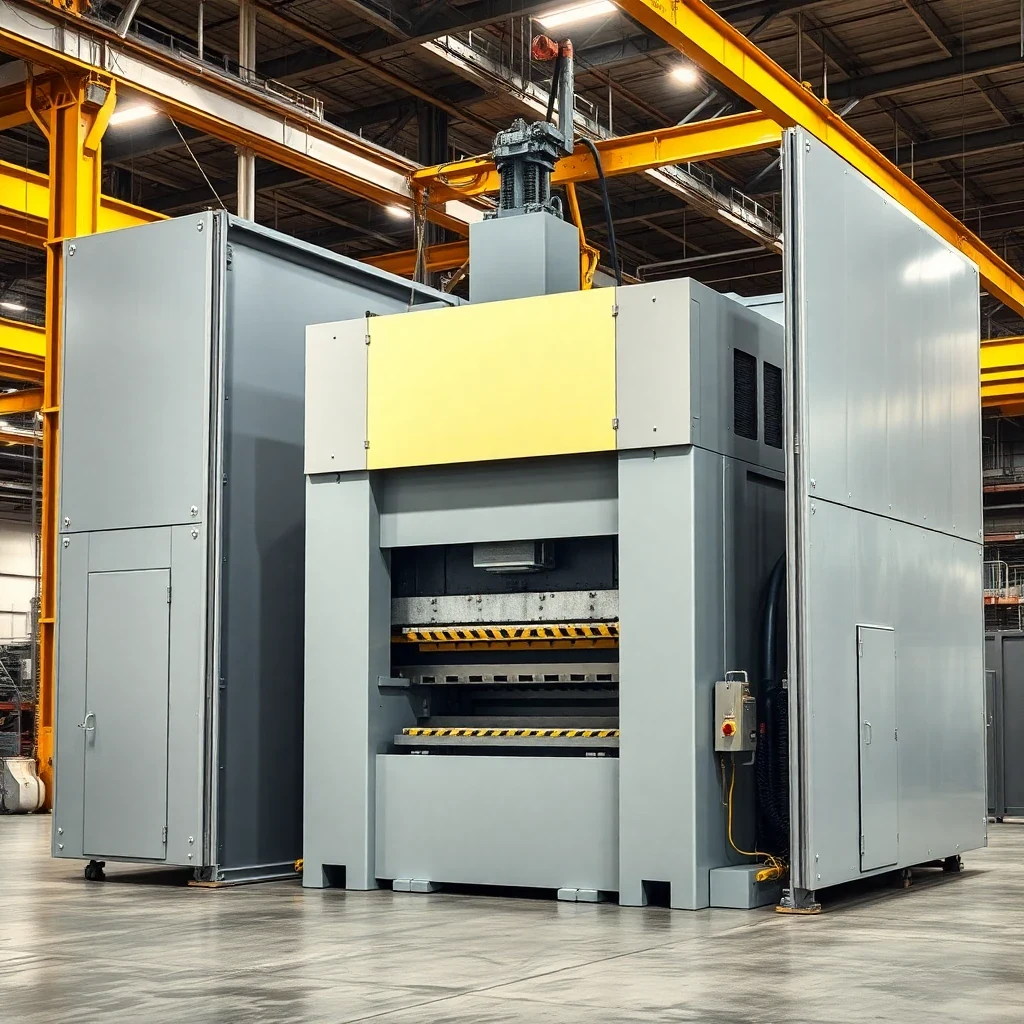
Factory & Production Line Noise Control Enclosures
工业声学隔音罩
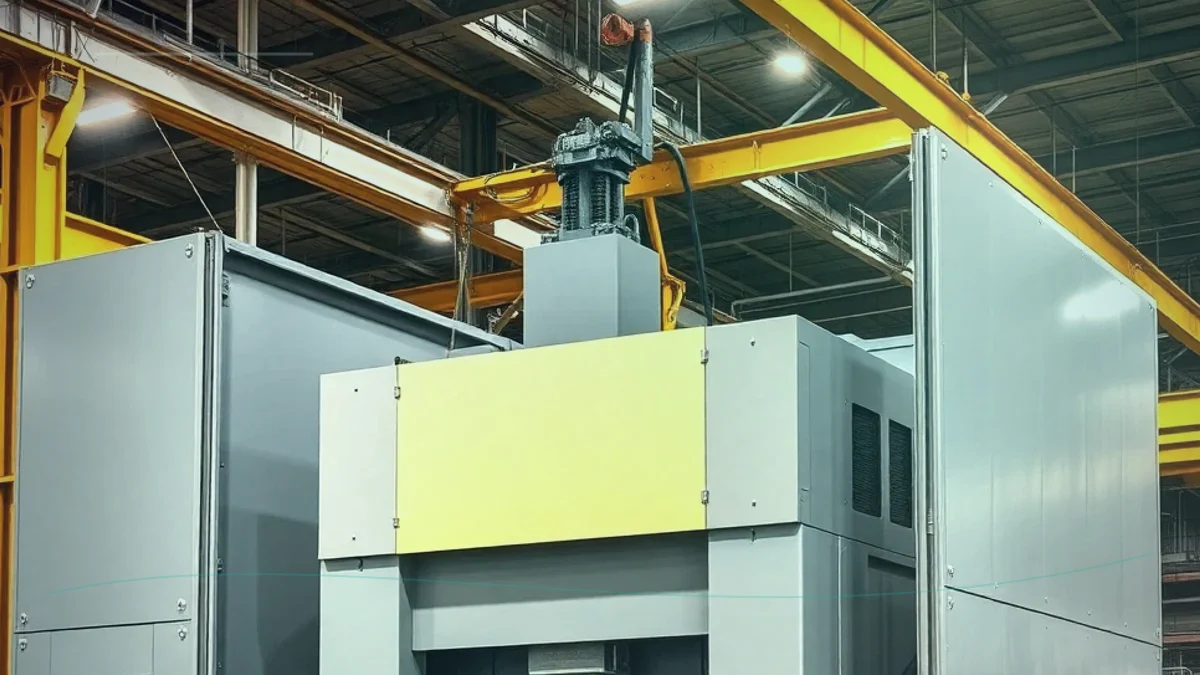
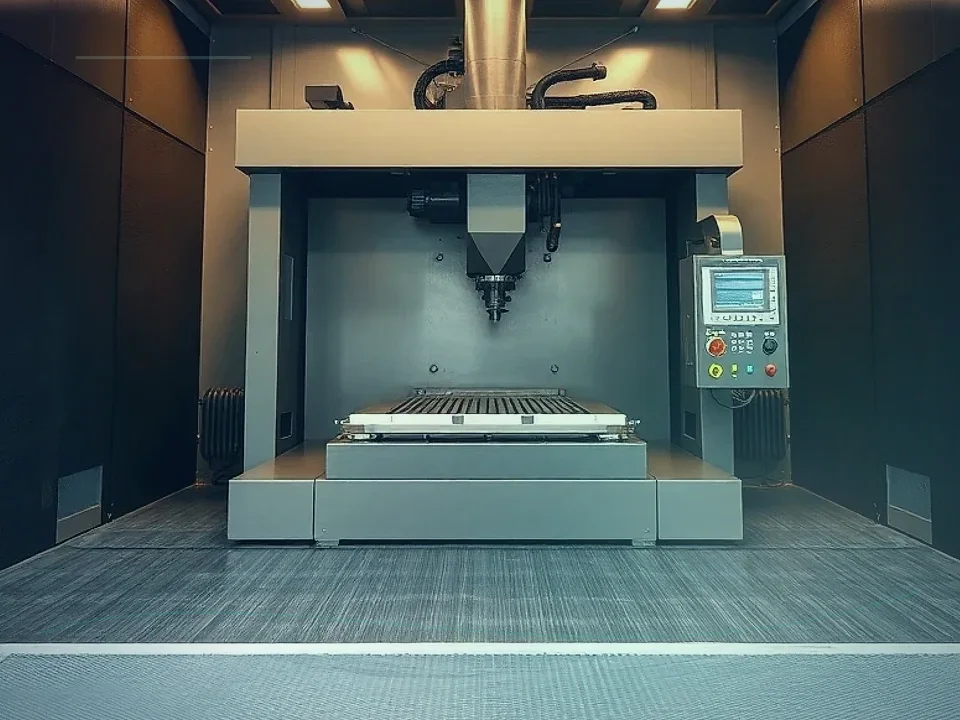
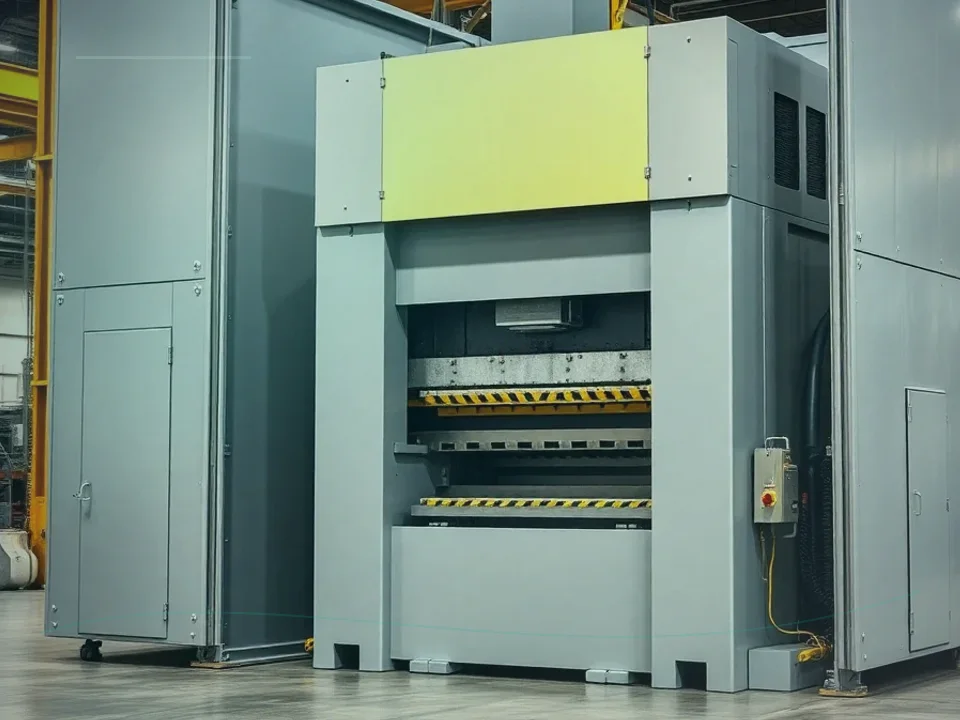
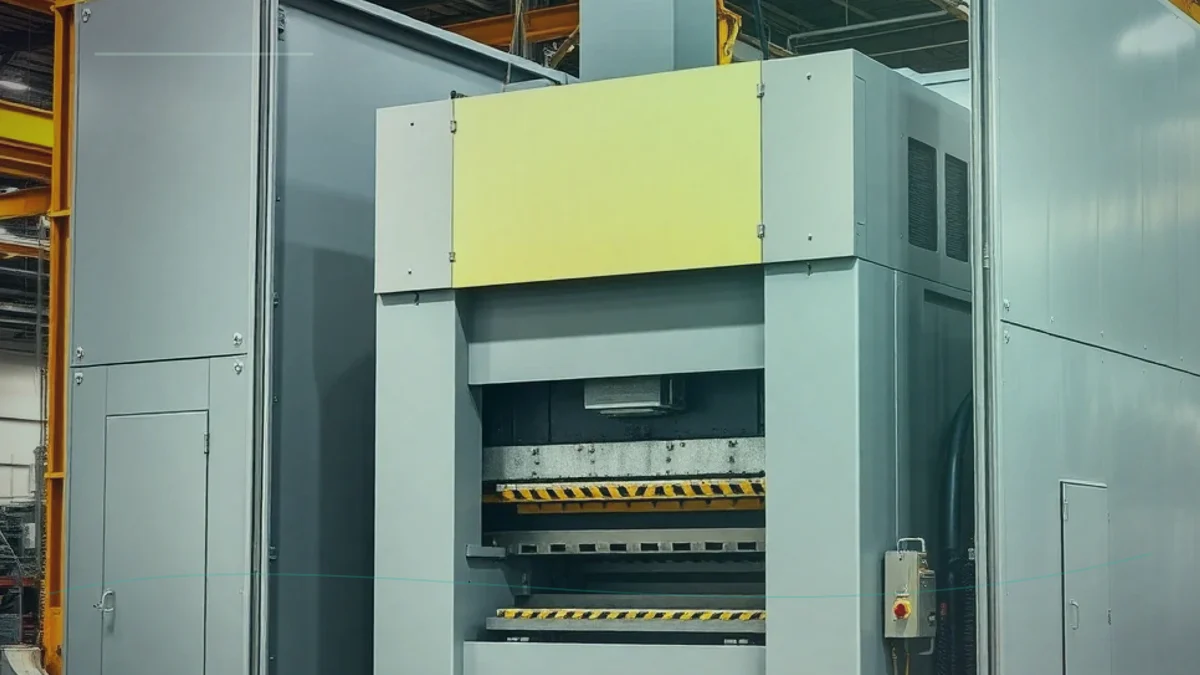
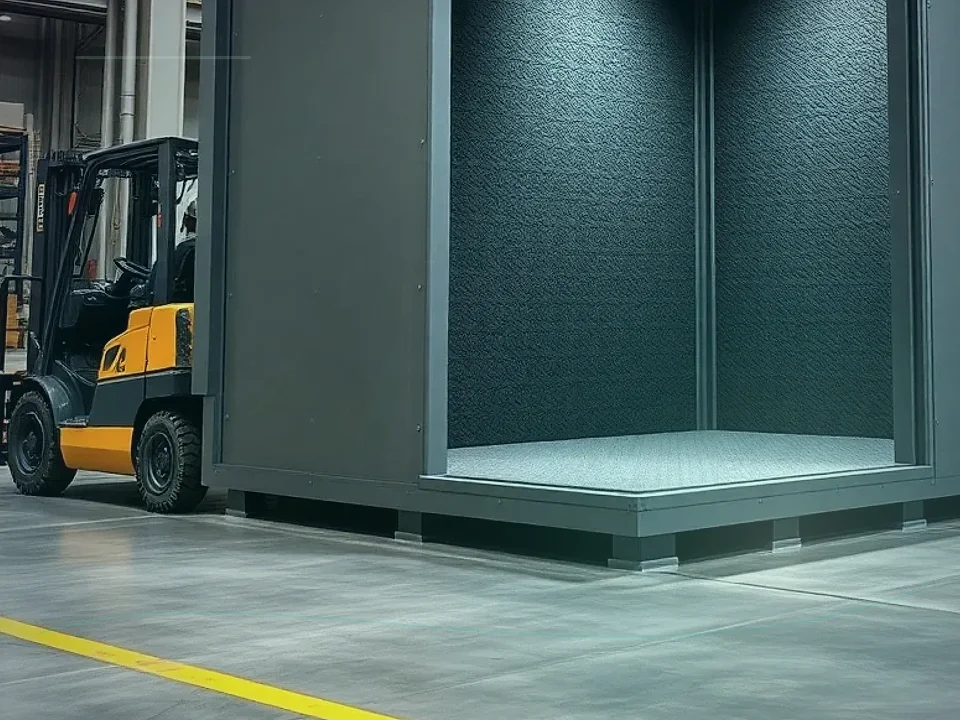
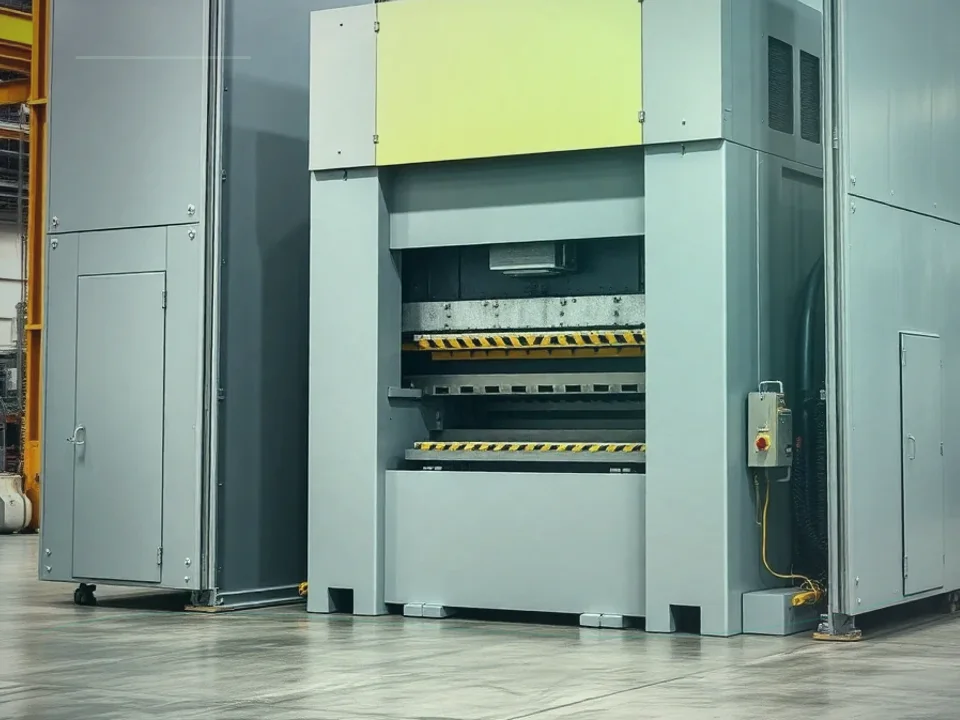
Custom industrial acoustic enclosures for factory machinery, plant equipment, production lines, metal presses, CNC machines, pumps, fans, compressors, and equipment rooms. The enclosure layout is reviewed around the machine footprint, access needs, ventilation path, and target noise level.
产品图库
5 张图片 · 点击放大技术规格
规格仅用于初步项目评估。最终参数、材料、证书和验收标准应以签署合同或批准的技术方案为准。
应用
- CNC machining centre noise enclosures
- Injection moulding machine enclosures
- Metal press and punch noise control
- 液压动力单元隔音罩
- Conveyor and production line noise barriers
- Compressor and pump room enclosures
概览
Industrial machinery noise is usually controlled most effectively at the source. A custom acoustic enclosure creates a controlled barrier around the equipment while preserving operator access, service openings, ventilation, cable routing, and production workflow.
The current HEMU Acoustics page is written as a configurable project product, not as a fixed catalog specification. Public supplier references show that industrial acoustic enclosures are commonly customized for generators, air compressors, cooling towers, fans, pump rooms, punch presses, and other machinery. They also commonly combine panels, acoustic doors, viewing windows, louvers, and ventilation silencers according to site conditions.
Before quotation, the buyer should provide the machine type, equipment dimensions, noise source location, required access doors, heat release or airflow constraints, installation environment, and target noise level. These inputs determine the enclosure layout and whether the design should use acoustic louvers, duct silencers, removable panels, observation windows, or vibration-isolation details.
For acoustic plant enclosures and broad industrial noise-control projects, HEMU first defines the acoustic boundary: whether the noisy source should be enclosed at machine level, grouped as a skid or production-line enclosure, or handled as a larger soundproof room or chamber. This avoids quoting the wrong structure for a plant-floor problem.
Unsupported fixed performance values, certification claims, and standard-compliance claims have been removed from this page until supplier documentation, customer specifications, or test reports are available.
核心特性
Custom Equipment Fit
The enclosure is planned around the equipment footprint, operating side, service doors, cable entries, and maintenance workflow instead of a fixed standard size.
Ventilation and Heat Path Review
Air intake, discharge, louvers, and duct silencers are reviewed together so noise control does not block cooling or process airflow.
Access Doors and Viewing Options
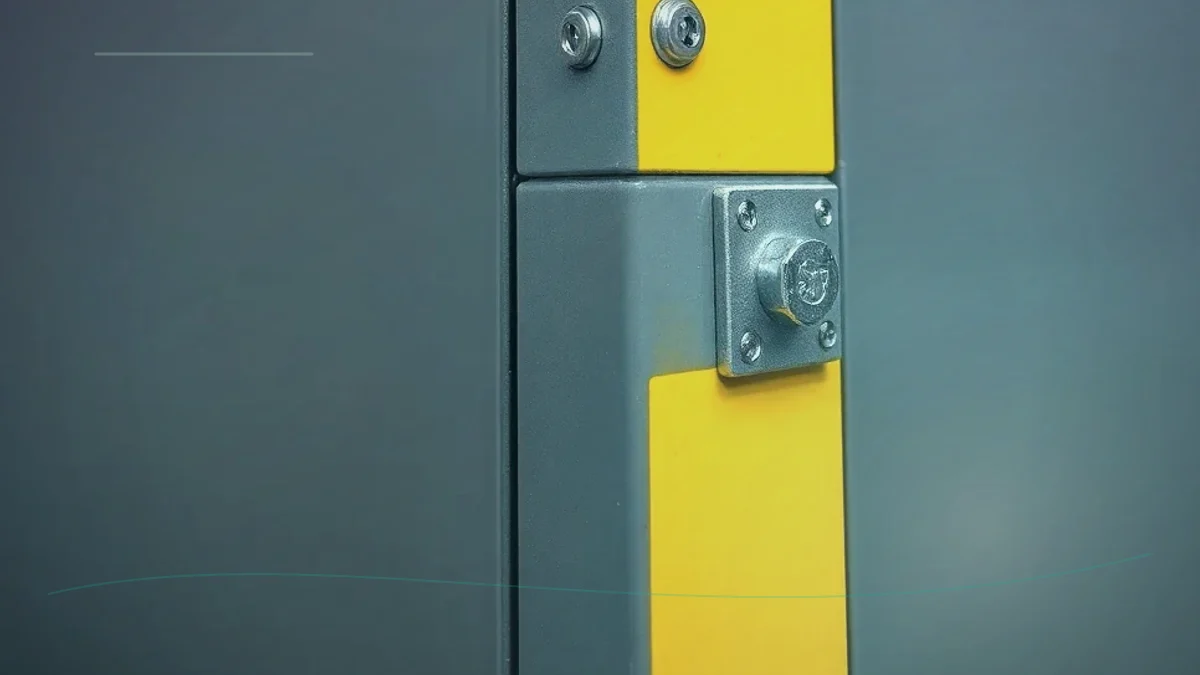
Hinged doors, sliding panels, removable sections, and observation windows can be specified according to the operation and service routine.
Machine Enclosure vs Soundproof Room
A machine enclosure fits a defined noise source, while a soundproof room may fit people, test activity, or multiple machines inside a larger controlled space.
典型应用
A common use case is a noisy production machine or equipment skid near operators, where the buyer needs a removable enclosure with inspection access and ventilation.
报价所需信息
Provide equipment drawings, site layout, target noise level, airflow or heat data, access requirements, and photos of the installation area.
知识主题
Recommended buyer guides: acoustic enclosure layout checklist, insertion loss versus room noise, and how to prepare equipment data before quotation.
买家指南
Industrial Acoustic Enclosure RFQ Checklist
A clear RFQ helps engineering review the enclosure layout, ventilation path, access needs, and target noise-control result before quotation.
Equipment data to prepare
Share the machine type, footprint, operating side, maintenance envelope, cable entries, duct openings, and any moving parts that affect enclosure clearance.
Noise-control goal
Provide the current noise condition, target operator or boundary position, measurement distance, working hours, and any site noise limit the project must support.
Access and airflow
Confirm doors, removable panels, viewing windows, cooling airflow, heat release, louvers, silencers, and service access before the enclosure layout is finalized.
Acoustic boundary
Explain whether the project is one machine, a plant equipment skid, a production-line section, or a room-level noise problem so the quotation can route to the right structure.
相关产品
发送询价前,可先查看相关隔音罩选项。
相关买家指南
可用这些指南提前整理设备数据和项目需求,让报价更准确。
买家常见问题
可用这些问题提前整理项目需求,让报价信息更清晰。
What is an industrial acoustic enclosure?
It is a project-specific sound-control barrier built around noisy industrial equipment while preserving access, ventilation, cable routing, and maintenance needs.
What information is needed for quotation?
Send equipment drawings, dimensions, site photos, current noise condition, target noise level, access requirements, and airflow or heat information if available.
Can the enclosure include ventilation and service doors?
Yes. Acoustic louvers, duct silencers, hinged doors, sliding panels, removable panels, and observation windows can be reviewed according to the equipment layout.
When should I choose an enclosure instead of a soundproof room?
Choose an enclosure when the noisy source has a clear machine or skid boundary. Consider a soundproof room when people, instruments, multiple machines, or a larger controlled space must be inside the acoustic area.
What is an acoustic plant enclosure?
Buyers often use this phrase for plant-floor equipment noise control. The practical scope should define which machines, openings, access sides, airflow paths, and target receiver points are included.
Why are fixed dB reduction values not listed?
Noise reduction depends on the machine source, openings, airflow path, installation environment, and measurement position, so final performance should be confirmed by project review.
项目应用案例
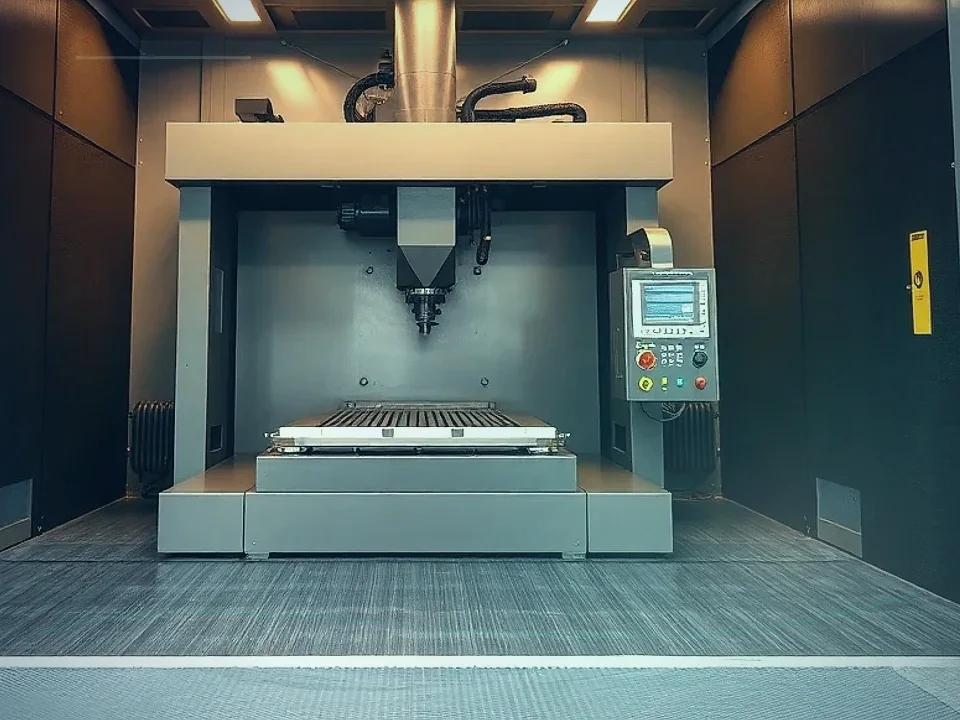
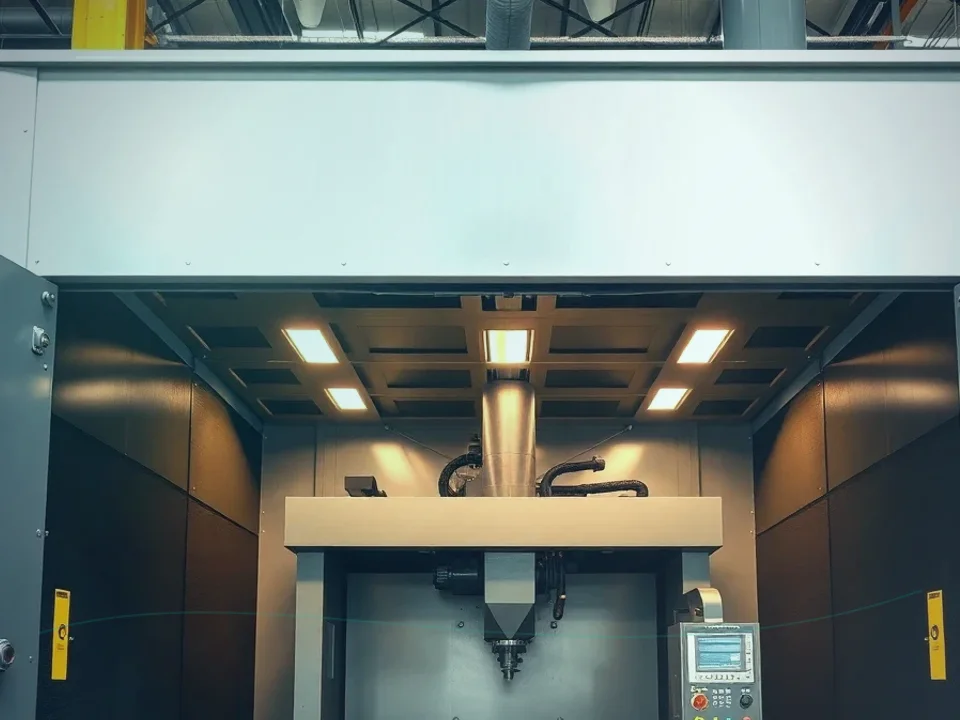
应用案例:工业声学隔音罩
精选应用案例用于在报价前比较产品适配、安装限制和询价输入。
准备讨论您的需求了吗?
发送设备图纸、现场照片、目标噪声值和文件要求,我们将进行评估。