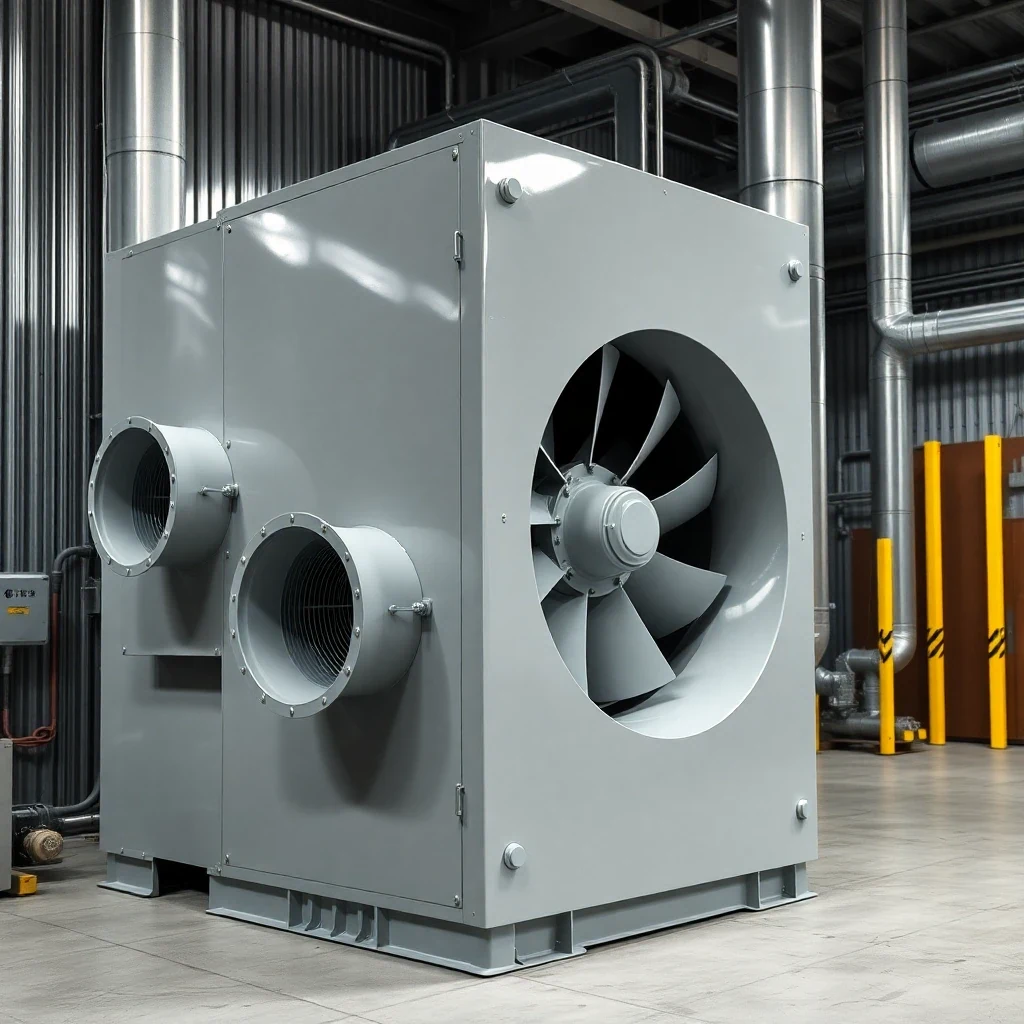
Industrial Acoustic Housing for Fans and Blowers
Fan & Blower Noise Enclosure
Custom acoustic enclosure planning for industrial fans, centrifugal blowers, axial fans, and exhaust systems where airflow continuity and service access are as important as the noise-control target.
Galerie produit
4 photos · cliquer pour agrandirSpécifications techniques
Les spécifications servent uniquement à l’examen préliminaire du projet. Les paramètres finaux, matériaux, certificats et critères d’acceptation doivent être confirmés dans le contrat signé ou la proposition technique approuvée.
Applications
- Centrifugal blowers and pressure fans
- Axial cooling tower fans
- Process exhaust and ventilation fans
- Forced draught (FD) and induced draught (ID) fans
- Mine ventilation fan stations
- WWTP aeration blowers
- Industrial vacuum pump stations
Vue d’ensemble
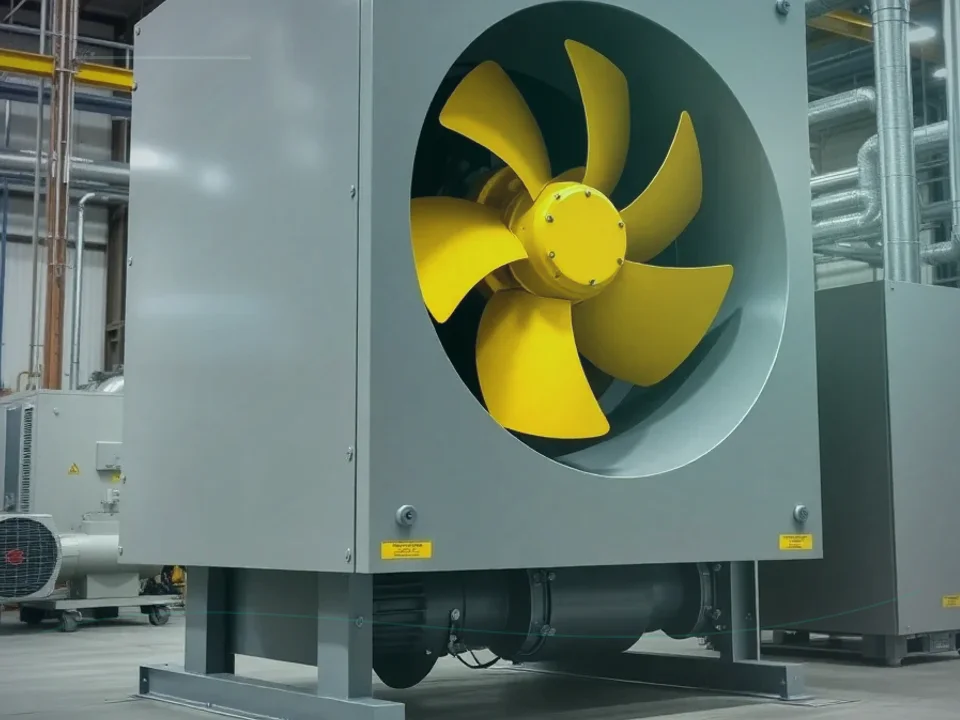
Fan and blower enclosures are airflow-sensitive projects. The acoustic design must reduce leakage paths while avoiding excessive pressure drop, blocked maintenance access, overheating, or vibration transfer through ductwork and support frames.
External supplier sources support the use of acoustic louvers, duct silencers, and acoustic doors as common components for industrial acoustic enclosures. Those sources support the design direction, but not a fixed HEMU noise-reduction value or certified standard claim.
For quotation, the buyer should provide fan type, airflow, duct size, available pressure margin, motor position, inlet and outlet direction, service access, installation photos, and target noise level.
This page now uses configuration-based wording until supplier data, fan schedules, or project test evidence are available.
Caractéristiques clés
Airflow-Preserving Design
Fan inlet, outlet, pressure drop, duct direction, and heat path must be reviewed before enclosure and silencer options are selected.
Acoustic Louver and Silencer Options
External sources support acoustic louvers and duct silencers as common components for ventilation-related acoustic enclosures.
Maintenance Access
Inspection doors, motor access, VFD or control-panel access, and service clearances should remain available after treatment.
Application typique
A plant or mechanical room needs noise control around a blower, fan, or exhaust unit without reducing airflow needed by the process.
Données nécessaires au devis
Send fan type, airflow, duct size, fan curve or pressure margin, motor location, access needs, photos, and target noise requirement.
Related Buyer Guides
Recommended topics: acoustic enclosure for fans, louver versus duct silencer, and how airflow constraints affect noise-control design.
Project application cases
Application cases for Fan & Blower Noise Enclosure
Selected application examples help compare product fit, installation constraints, and inquiry inputs before quotation.
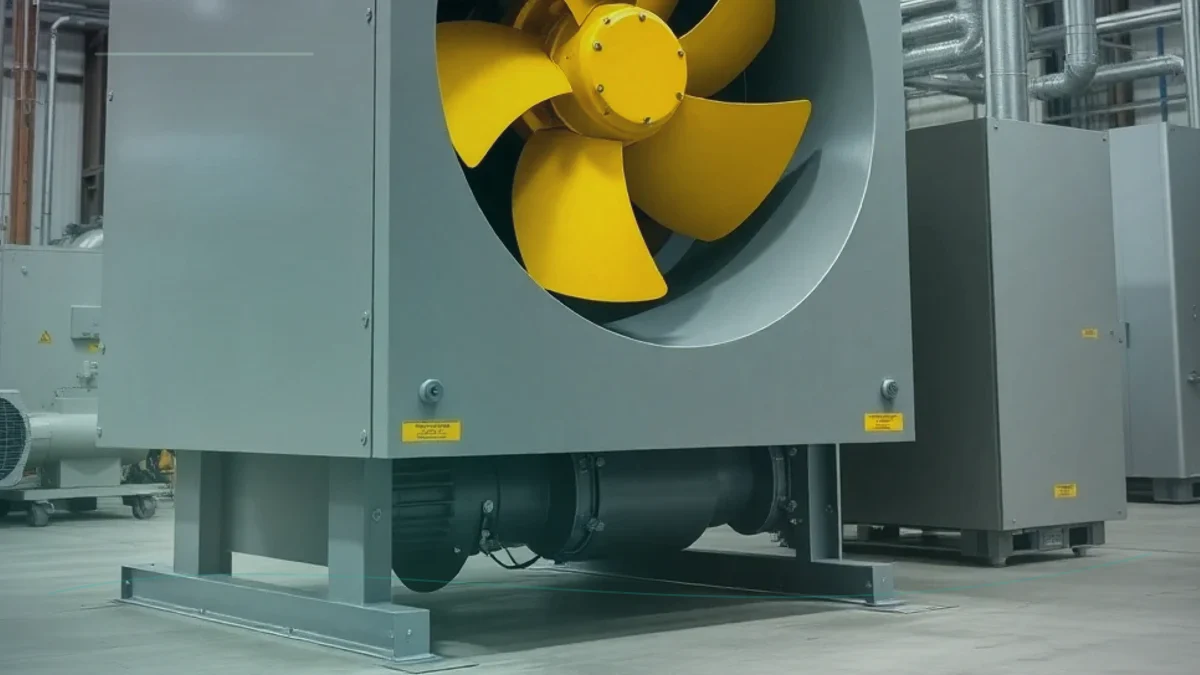
Industrial Acoustic Enclosures
Industrial Sound Enclosures Application Case for Fan & Blower Noise Enclosure
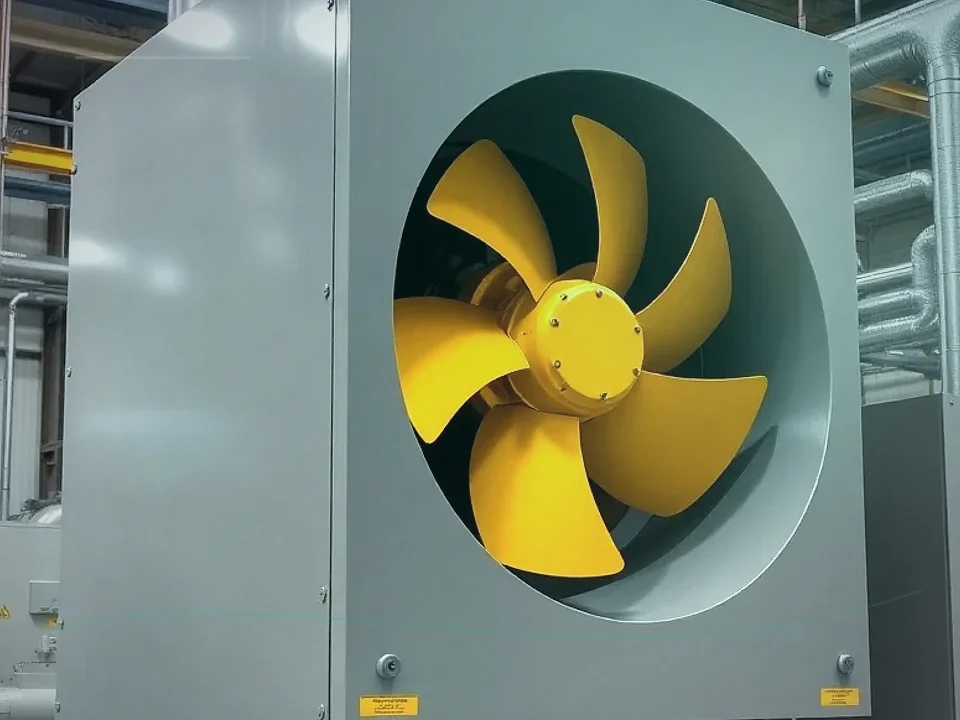
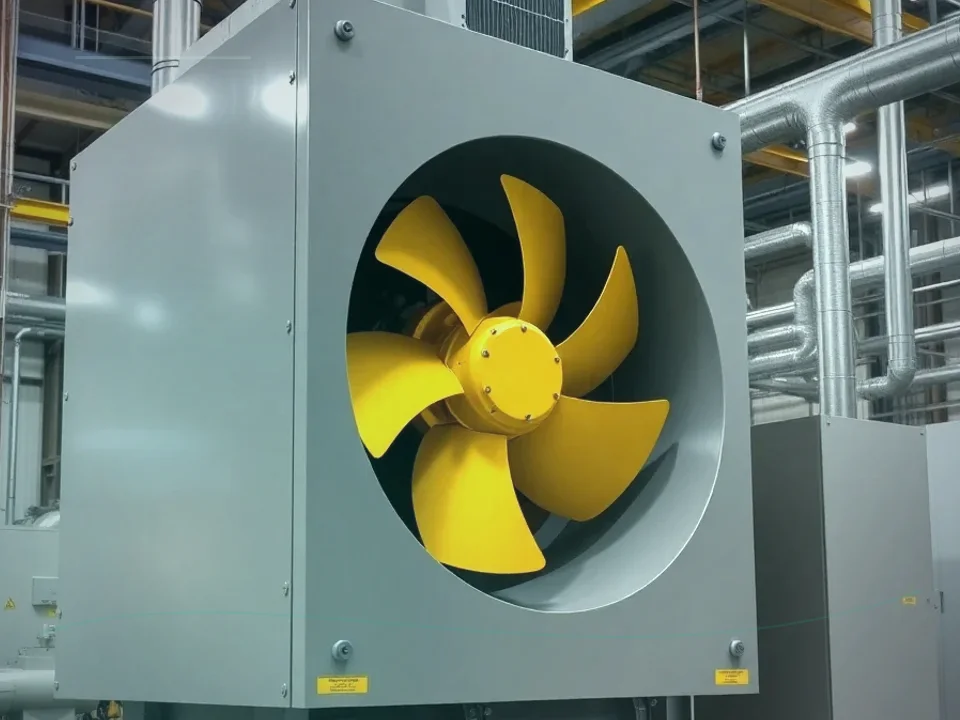
Application review and configuration reference for project planning.
Read case study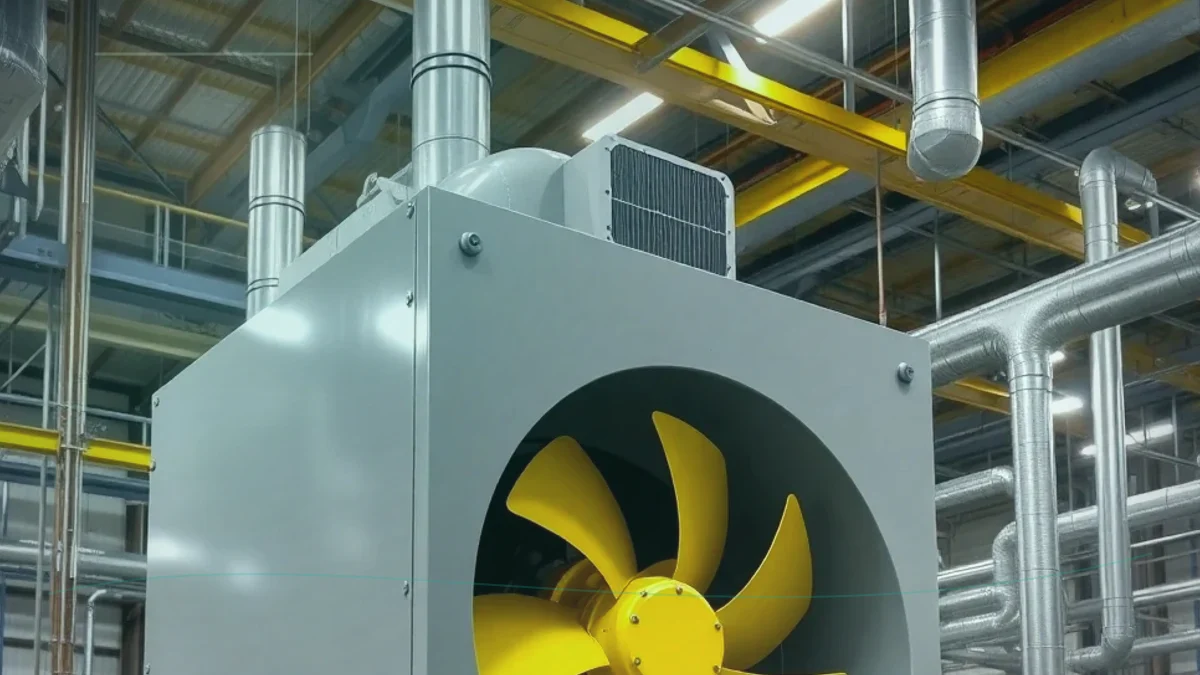
Industrial Acoustic Enclosures
Noise Enclosure Application Case for Fan & Blower Noise Enclosure
Application review and configuration reference for project planning.
Read case study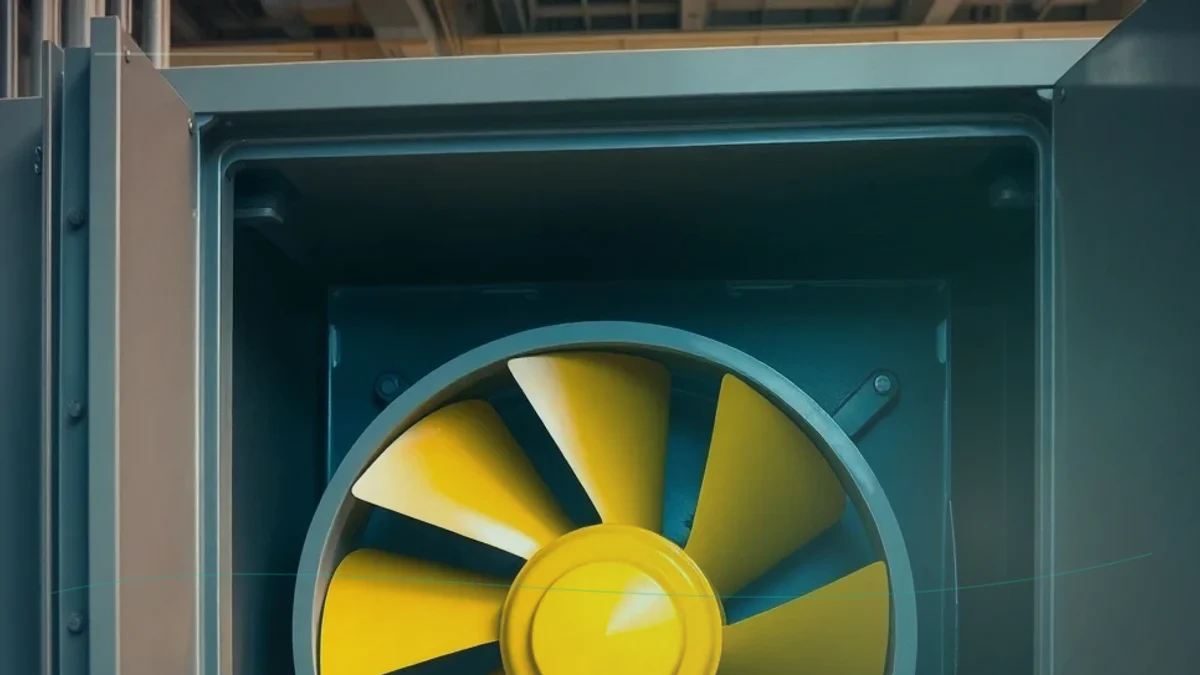
Industrial Acoustic Enclosures
Noise Control Solutions Application Case for Fan & Blower Noise Enclosure
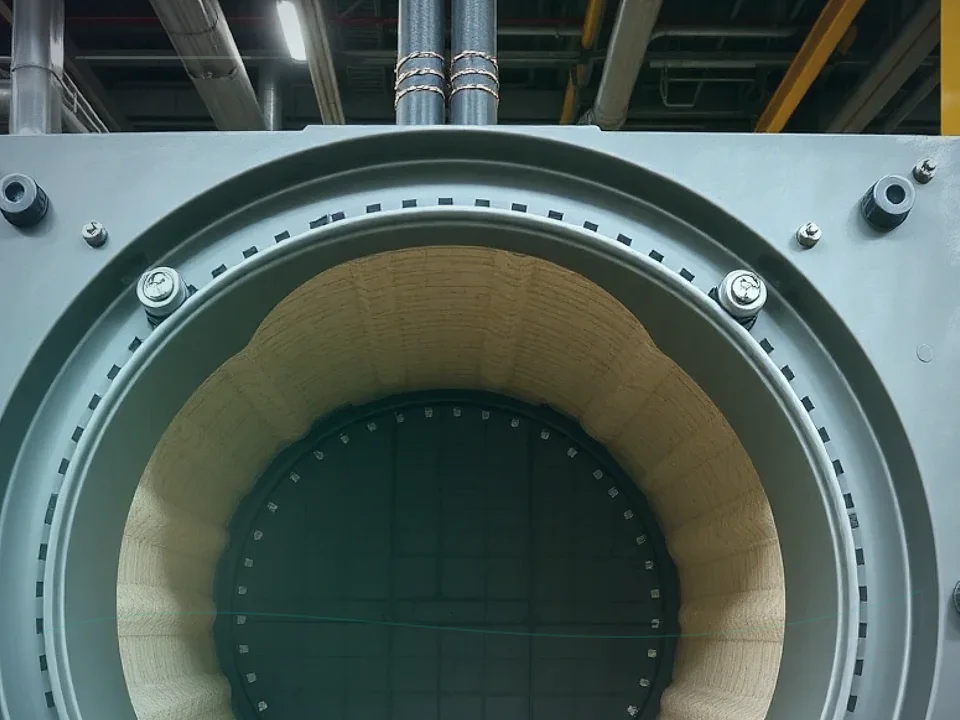
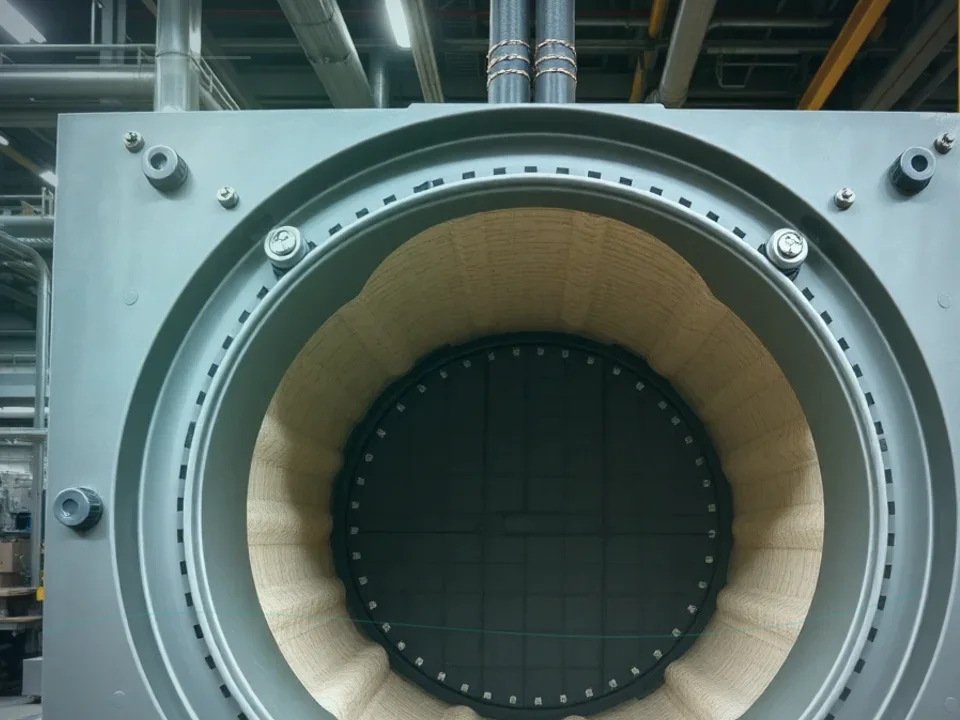
Application review and configuration reference for project planning.
Read case studyPrêt à discuter de vos besoins ?
Envoyez les plans d’équipement, photos du site, niveau sonore cible et exigences documentaires pour examen.